The Problem of Too Much Stuff
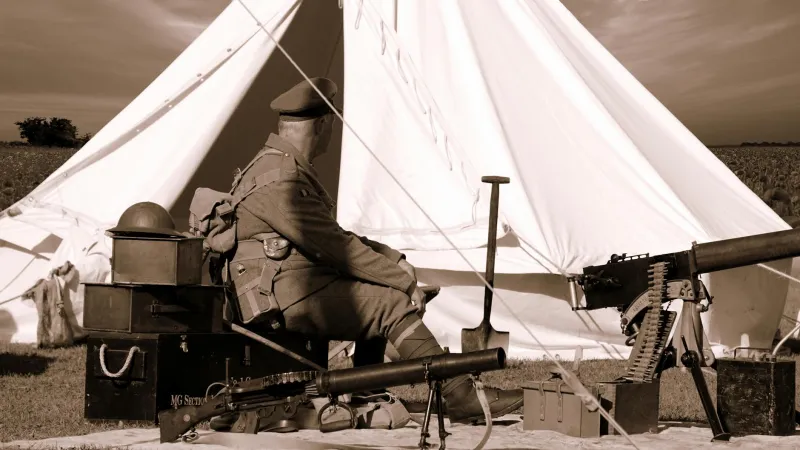
In 1945, the United States military faced an unusual problem: they had way too much stuff. After mobilizing millions of soldiers across multiple continents, the war's end left the military with enormous stockpiles of equipment they no longer needed.
Mountains of canvas tents designed for Pacific islands. Wool blankets built for European winters. Mess kits engineered for battlefield conditions. Hiking boots tough enough for military marches. All of it perfectly functional, but completely useless to a peacetime army focused on nuclear weapons rather than foot soldiers.
The government's solution was simple: sell it all as cheaply as possible through army surplus stores scattered across American cities and towns.
The Accidental Shoppers
Army surplus stores had existed before the war, but they'd primarily served working-class customers looking for durable, cheap work clothes. After 1945, these stores suddenly overflowed with high-quality outdoor equipment that would have been impossibly expensive for ordinary families to buy new.
A canvas military tent that cost the government $50 to manufacture sold for $8 at surplus stores. Sleeping bags designed for Arctic conditions went for the price of a restaurant meal. Hiking boots built to military specifications cost less than dress shoes.
For the first time, middle-class American families could afford serious outdoor equipment. But most had no idea what to do with it.
The Discovery Process
What happened next was part experimentation, part accident. Families bought military surplus gear because it was incredibly cheap and obviously well-made, then gradually figured out how to use it for recreation.
Parents who had never been camping discovered that military tents worked perfectly for backyard adventures with their kids. Suburban families found that army mess kits made excellent picnic gear. Military sleeping bags turned car camping into a comfortable possibility rather than a rugged ordeal.
The learning curve was steep but forgiving—military gear was designed to withstand battlefield abuse, so amateur outdoor enthusiasts couldn't easily break it.
The Weekend Warriors
By the early 1950s, a pattern emerged across American suburbs. Families would pile military surplus gear into their cars and head to national parks, state forests, or even local lakes for weekend camping trips. This wasn't wilderness survival—it was accessible family recreation made possible by military-grade equipment sold at civilian-friendly prices.
The transformation was visible in places like Yosemite and Yellowstone, where park rangers noticed dramatic increases in family camping. Before the war, camping had been primarily the domain of dedicated outdoorsmen with expensive specialized gear or hardy souls willing to rough it with minimal equipment.
After surplus military gear flooded the market, camping became something ordinary families could try without major financial risk.
The Industry That Grew Up
As demand for outdoor recreation exploded, entrepreneurs noticed the gap between military surplus and civilian needs. Military tents were built for durability, not comfort. Army sleeping bags prioritized warmth over weight. Mess kits focused on function rather than convenience.
Companies like Coleman, REI, and L.L.Bean began designing civilian outdoor equipment that borrowed military principles but improved the camping experience for families and recreational users. The outdoor industry wasn't creating demand from scratch—it was serving a market that military surplus had accidentally created.
The Cultural Shift
More importantly, surplus military gear changed how Americans thought about nature and outdoor recreation. Before the war, "roughing it" in the outdoors was either a necessity for people who worked in remote areas or an extreme hobby for dedicated adventurers.
Surplus military equipment made outdoor recreation accessible to families who had never considered it possible. Parents discovered they could take their children camping without requiring extensive outdoor skills or expensive gear investments.
This democratization of outdoor access created the cultural foundation for everything that followed: the environmental movement, the fitness boom, the adventure travel industry, and the modern outdoor lifestyle that generates hundreds of billions in annual spending.
The Modern Legacy
Today's $887 billion outdoor recreation industry traces its roots directly to those post-war army surplus stores. REI's massive retail empire, Patagonia's outdoor fashion, the explosion of hiking trails and campgrounds, the popularity of outdoor festivals and adventure races—all of it grew from seeds planted when military surplus made outdoor gear affordable for ordinary Americans.
The irony is perfect: equipment designed for warfare accidentally taught Americans to love peaceful recreation in nature. Gear built for military efficiency became the foundation for family bonding and personal wellness.
The Weekend Revolution
Every time you see families loading camping gear into SUVs or hikers heading out for weekend adventures, you're witnessing the long-term consequences of a military logistics problem from 1945. The government just wanted to get rid of surplus equipment taking up warehouse space.
Instead, they accidentally created the outdoor recreation culture that now defines how millions of Americans spend their free time. Military surplus didn't just sell cheap gear—it sold the idea that outdoor adventure was accessible to everyone, not just dedicated outdoorsmen.
The next time you're shopping for camping equipment or planning a hiking trip, remember: you're participating in a cultural revolution that began with army junk nobody knew what to do with.