From Himalayan Goat Hair to Mall Sweaters: The Luxury Fiber That Conquered America
The Empress Who Started It All
In 1799, Joséphine Bonaparte received a gift that would accidentally reshape American fashion two centuries later. Napoleon had returned from his Egyptian campaign with delicate shawls woven from an impossibly soft fiber — cashmere, combed from the underbellies of goats living 14,000 feet up in the Himalayas. Joséphine became obsessed, reportedly owning over 400 of these shawls by the time Napoleon divorced her.
What the French Empress couldn't have predicted was that her expensive taste would eventually lead to every American mall having a cashmere section.
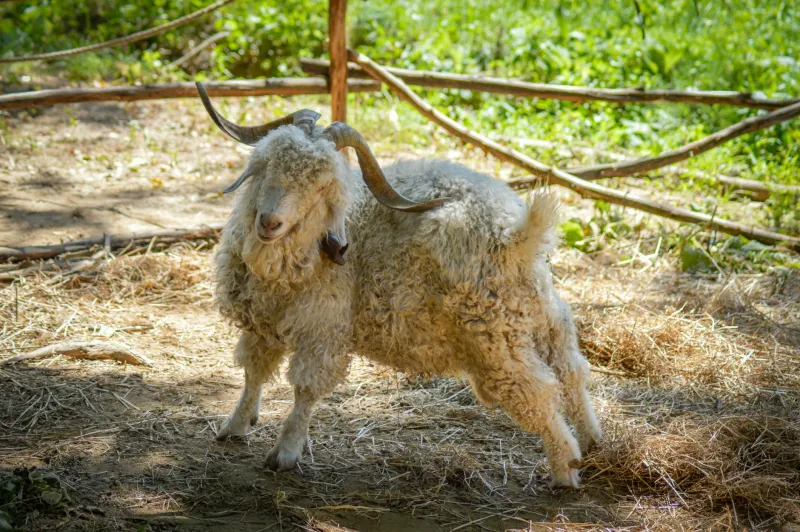
The fiber itself had been a closely guarded secret for centuries. High in the mountains of Kashmir, herders would carefully comb the soft undercoat from their goats each spring, collecting just a few ounces per animal. This precious material was then hand-spun and woven into shawls so fine they could pass through a wedding ring. The entire process, from goat to garment, happened within a few hundred miles of some of the world's most remote terrain.
The French Connection That Changed Everything
Joséphine's obsession created Europe's first cashmere craze. Parisian society women competed to own the most elaborate Kashmir shawls, driving prices so high that a single shawl could cost more than a house. French manufacturers, recognizing an opportunity, began reverse-engineering the weaving techniques and importing raw cashmere fiber to create their own versions.
This was the beginning of cashmere's journey west. What had been an entirely regional craft, passed down through generations in Himalayan villages, suddenly became international commerce. European textile mills in Scotland and France started producing cashmere goods, though they remained luxury items accessible only to the wealthy.
The irony wasn't lost on observers at the time: European aristocrats were paying fortunes for the hair of goats they'd never seen, from places they couldn't pronounce, to wear at parties in heated ballrooms.
America Discovers Soft Power
Cashmere didn't arrive in America until the mid-1800s, and when it did, it came with all the European associations of wealth and refinement. American industrialists and their wives saw cashmere as a way to signal their arrival on the world stage. Having a cashmere shawl wasn't just about warmth — it was about proving you belonged in the same social circles as European nobility.
But America's relationship with luxury was different from Europe's. While European aristocracy inherited their wealth and status, American millionaires had earned theirs, and they wanted luxury goods that reflected that achievement. Cashmere fit perfectly: it was rare, expensive, and had an exotic backstory that made for good dinner party conversation.
The first American cashmere imports were still prohibitively expensive, but they planted a seed. If French mills could make cashmere goods, why couldn't American ones?
The Democratization of Goat Hair
The real transformation began in the 20th century, when improved transportation and manufacturing techniques made cashmere more accessible. Scottish mills had perfected mechanical spinning and weaving of cashmere, bringing costs down significantly. American department stores began carrying cashmere sweaters and scarves, though they remained special-occasion purchases for most families.
World War II accidentally accelerated cashmere's journey into mainstream American fashion. Rationing of traditional luxury materials led manufacturers to experiment with alternative fibers, including cashmere blends. Post-war prosperity meant more Americans could afford small luxuries, and cashmere sweaters became symbols of middle-class success.
The 1950s suburban boom created the perfect market for cashmere. American women wanted clothing that looked expensive but was practical enough for daily life. A cashmere cardigan could work for grocery shopping, PTA meetings, and dinner parties — versatility that European aristocrats, with their armies of servants and rigid social schedules, had never needed.
When Luxury Became Casual
By the 1980s, cashmere had completed its transformation from exotic luxury to American staple. Department stores offered cashmere sweaters at multiple price points, from premium designer versions to more affordable blends. The fiber that once took months to travel from Himalayan villages to Parisian salons was now flying from processing facilities in Scotland and Italy to shopping malls across America.
The cultural shift was profound. Cashmere went from being something you inherited or received as a milestone gift to something you bought yourself on a Saturday afternoon. It became the uniform of "casual luxury" — expensive enough to feel special, but comfortable enough to wear while running errands.
The Goat Hair Revolution
Today, Americans consume more cashmere than any other country, despite the fiber still coming from the same remote regions where it originated. Modern cashmere production has industrialized the ancient process, but the basic reality remains unchanged: someone is still combing the soft undercoat from goats living in some of the world's most isolated places, just so Americans can have soft sweaters.
The journey from Joséphine's exotic shawls to Target's cashmere collection reveals something essential about American culture. We took a luxury so exclusive that it once required royal connections and made it democratic. In doing so, we changed not just who could wear cashmere, but what cashmere meant.
What started as a symbol of European aristocracy became a symbol of American accessibility — the idea that luxury shouldn't be limited to those born into it. Even if we're still paying premium prices for goat hair.