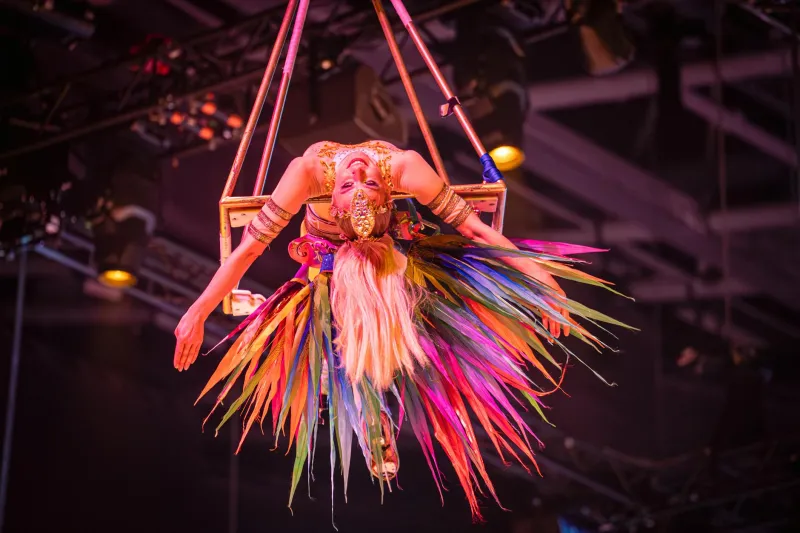
The Problem in the Big Top
In 1873, somewhere under a canvas tent in rural Massachusetts, a flying trapeze artist was having a very specific problem. The leather-soled boots that worked fine for walking were disasters thirty feet in the air. They slipped on rigging, provided no cushioning for landings, and offered zero flexibility for the acrobatic moves that kept audiences gasping and coins flowing into the circus till.
This unnamed performer—lost to history but crucial to it—approached a local cobbler with an unusual request. He needed shoes that could grip metal bars, bend with his feet, and absorb the shock of catching himself mid-flight. The solution seemed obvious: attach rubber soles to canvas uppers. It was practical, cheap, and perfectly suited for someone whose workplace was a moving circus that couldn't afford to carry heavy equipment.
What neither the acrobat nor the cobbler realized was that they were solving a problem that didn't just exist under circus tents. They were creating the template for footwear that would eventually outfit everyone from schoolchildren to professional athletes to teenagers hanging out at the mall.
From Tent to Factory Floor
Word of the circus performer's innovative shoes spread through the tight-knit world of traveling entertainment. Other acrobats, tightrope walkers, and performers began requesting similar footwear from local cobblers wherever they landed. By the 1880s, small shoe manufacturers throughout New England were producing rubber-soled canvas shoes for what they assumed was a niche market of circus performers and theatrical entertainers.
The real breakthrough came when the U.S. Rubber Company, based in Naugatuck, Connecticut, took notice of this cottage industry. They saw an opportunity to mass-produce what had been custom work, using their industrial rubber-making capabilities to create consistent, durable soles. In 1892, they introduced the first mass-produced rubber-soled canvas shoe, marketed initially to tennis players and other athletes who needed similar grip and flexibility.
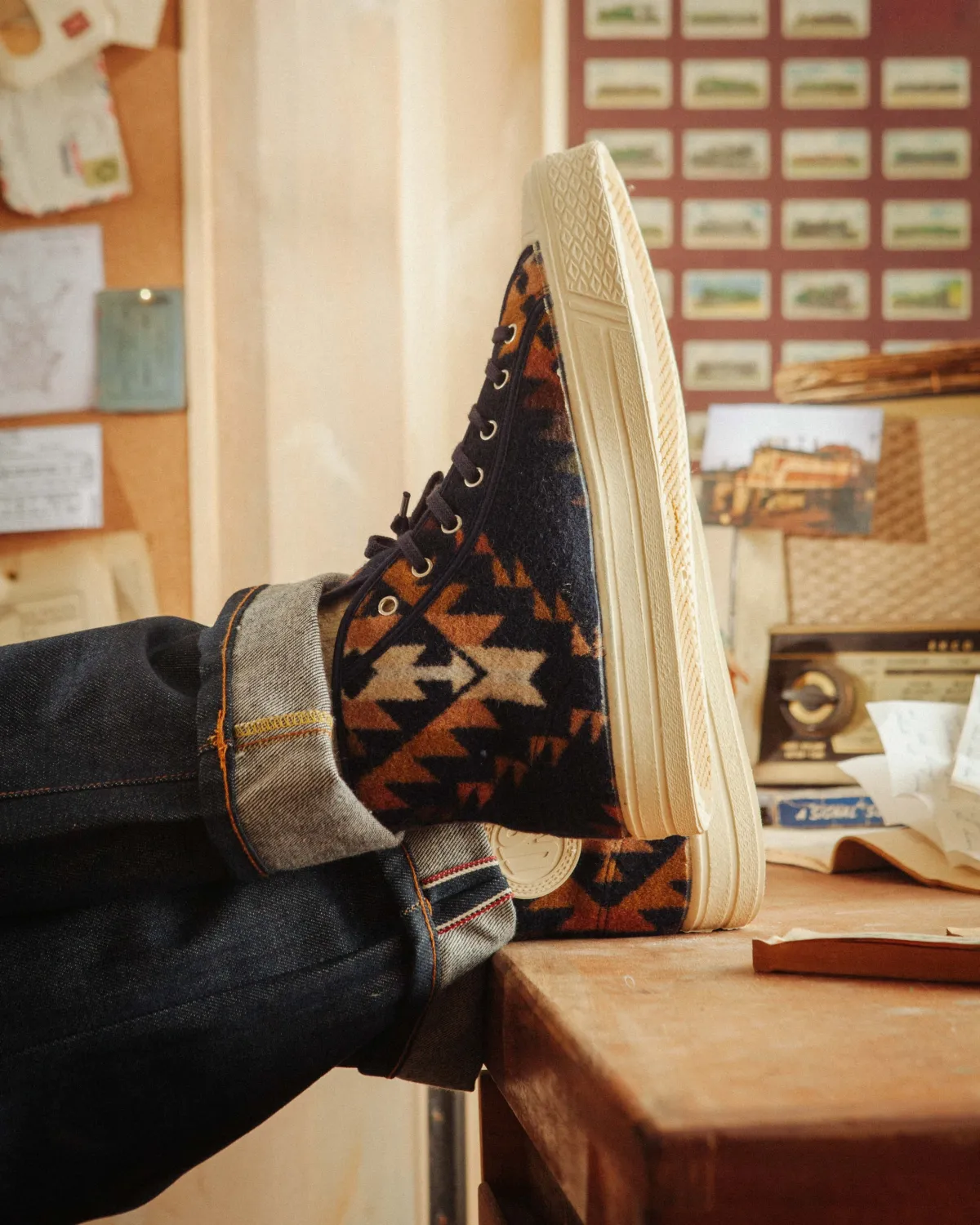 Photo: U.S. Rubber Company, via images.squarespace-cdn.com
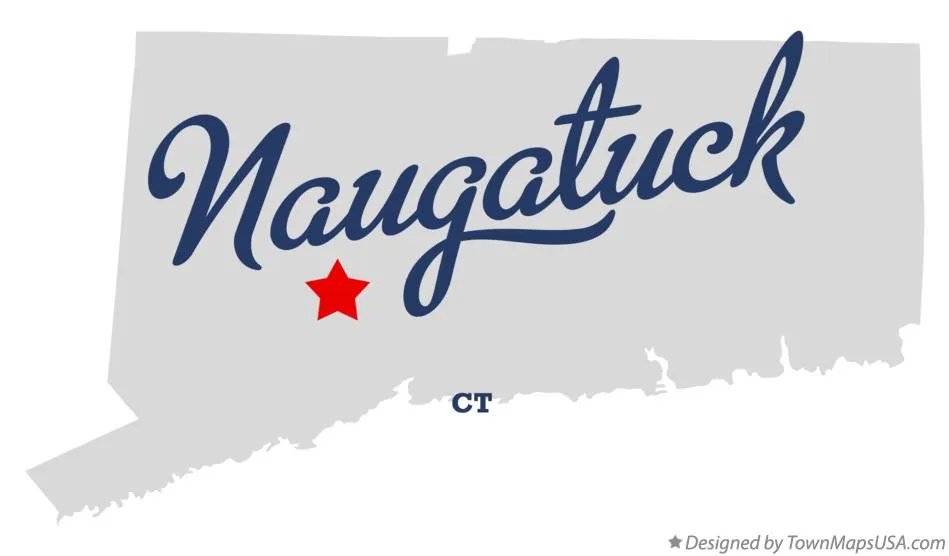 Photo: Naugatuck, Connecticut, via www.townmapsusa.com
But the company's executives were thinking bigger than sports. They recognized that the same qualities that made these shoes perfect for circus performers and tennis players—comfort, flexibility, and that distinctive rubber grip—might appeal to anyone who spent time on their feet. They began marketing the shoes for general wear, coining the term "sneakers" because the rubber soles allowed people to move quietly, almost sneaking around.
The Schoolyard Revolution
The transformation from circus prop to American staple happened in the nation's schools. Physical education was becoming a standard part of curriculum in the early 1900s, and educators needed affordable, practical footwear for students engaging in increasingly athletic activities. Rubber-soled canvas shoes were perfect: cheap enough for school budgets, durable enough for daily use, and suitable for everything from calisthenics to playground games.
Parents initially resisted. In an era when proper footwear meant leather shoes with hard soles, sneakers seemed inappropriately casual, almost disrespectful. But children loved them. The shoes were comfortable, allowed for better movement during play, and—perhaps most importantly—gave kids a sense of athletic ability even if they were just running around at recess.
By 1917, the Keds brand had launched with a massive marketing campaign targeting both athletes and everyday Americans. Their slogan, "Get a grip on yourself," played up the rubber sole's superior traction while suggesting that wearing sneakers was a form of self-improvement. The campaign worked. Sales exploded, and competitors rushed to enter the market.
The Athletic Arms Race
What started as a circus performer's practical need had become the foundation for an entirely new industry. Companies began specializing in athletic footwear, each trying to improve on the basic rubber-sole-and-canvas formula. Converse introduced their All Star basketball shoe in 1917. Adidas and Puma emerged from post-war Germany with innovations in sole design and materials. Nike would later revolutionize the industry with air cushioning technology.
Each advancement built on the original insight from that long-forgotten circus tent: shoes should work with the human foot, not against it. They should provide grip, cushioning, and flexibility. The technical requirements of aerial acrobatics, it turned out, weren't so different from the needs of basketball players, runners, or anyone who wanted comfortable footwear.
The industry's growth paralleled America's increasing embrace of casual culture. As the country moved away from formal dress codes and toward more relaxed lifestyles, sneakers evolved from athletic gear to everyday footwear. By the 1960s, teenagers were wearing them to school. By the 1980s, adults were wearing them to work. Today, the global athletic footwear market is worth over $100 billion annually.
The Circus Connection We Forgot
Walk into any shoe store today and you'll see the legacy of that anonymous circus performer's innovation. The running shoes designed for marathon runners, the basketball shoes engineered for professional athletes, the casual sneakers worn by millions of Americans every day—they all trace their lineage back to a flying acrobat who needed better grip on a trapeze bar.
The irony is delicious: an industry built on performance, competition, and cutting-edge technology began with a performer whose job was pure entertainment. The same rubber-soled shoes that help athletes break records and win championships descended from footwear designed to help someone fly through the air for applause.
Next time you lace up sneakers—whether for a workout, a walk, or just because they're comfortable—remember that you're wearing the evolved descendant of circus gear. Sometimes the most revolutionary innovations come from the most unexpected places, and sometimes a problem solved under a big top ends up changing how an entire nation walks.