The Cemetery's Favorite Flower
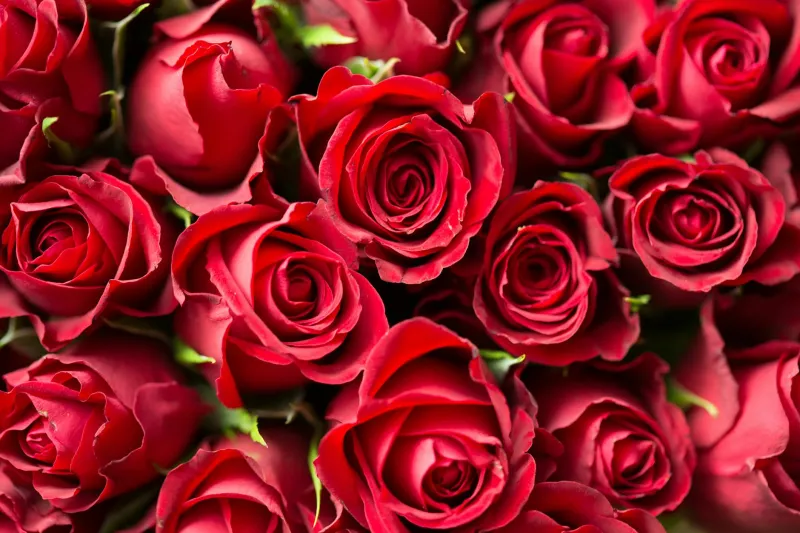
Walk through any Victorian-era cemetery today and you'll still see them: carved red roses adorning headstones, their stone petals frozen in eternal bloom. For most of the 19th century, red roses weren't symbols of passion—they were symbols of remembrance, mourning, and final goodbye.
The association made perfect sense to Victorian Americans. Red represented the blood of life, while roses symbolized beauty cut short. Together, they created the perfect metaphor for lives ended too soon. Funeral directors recommended them, cemetery designers incorporated them into monuments, and grieving families brought them to gravesides across the country.
This wasn't some brief cultural moment. From the 1850s through the 1910s, red roses were as strongly associated with death as black clothing or funeral parlors. The idea of giving them to a living person—especially romantically—would have seemed bizarre, even morbid.
The Industry That Needed a Revolution
By 1920, America's cut flower industry had a problem. The business was booming—urbanization meant more people were buying flowers instead of growing their own—but the market was frustratingly seasonal. Flowers sold well for funerals year-round, but the big money was in holidays and celebrations.
The challenge was cultural. Americans had rigid ideas about which flowers meant what. White roses for weddings, red roses for funerals, yellow for friendship. These associations were so strong that florists couldn't sell red roses for anything else without customers feeling uncomfortable.
That's when the Society of American Florists decided to rewrite the rules entirely.
 Photo: Society of American Florists, via www.kindpng.com
The Campaign That Changed Everything
Starting in 1922, the florist industry launched what might be the most successful rebranding campaign in American history. They didn't just want to sell more red roses—they wanted to completely flip their cultural meaning from death to love.
The strategy was brilliant in its simplicity. Instead of fighting existing associations, they created new ones through repetition and authority. Trade publications began running articles about the "ancient tradition" of red roses symbolizing passion. (The tradition wasn't ancient—they were making it up.) Florist shops received promotional materials linking red roses to romance. Most importantly, they targeted the emerging Valentine's Day market.
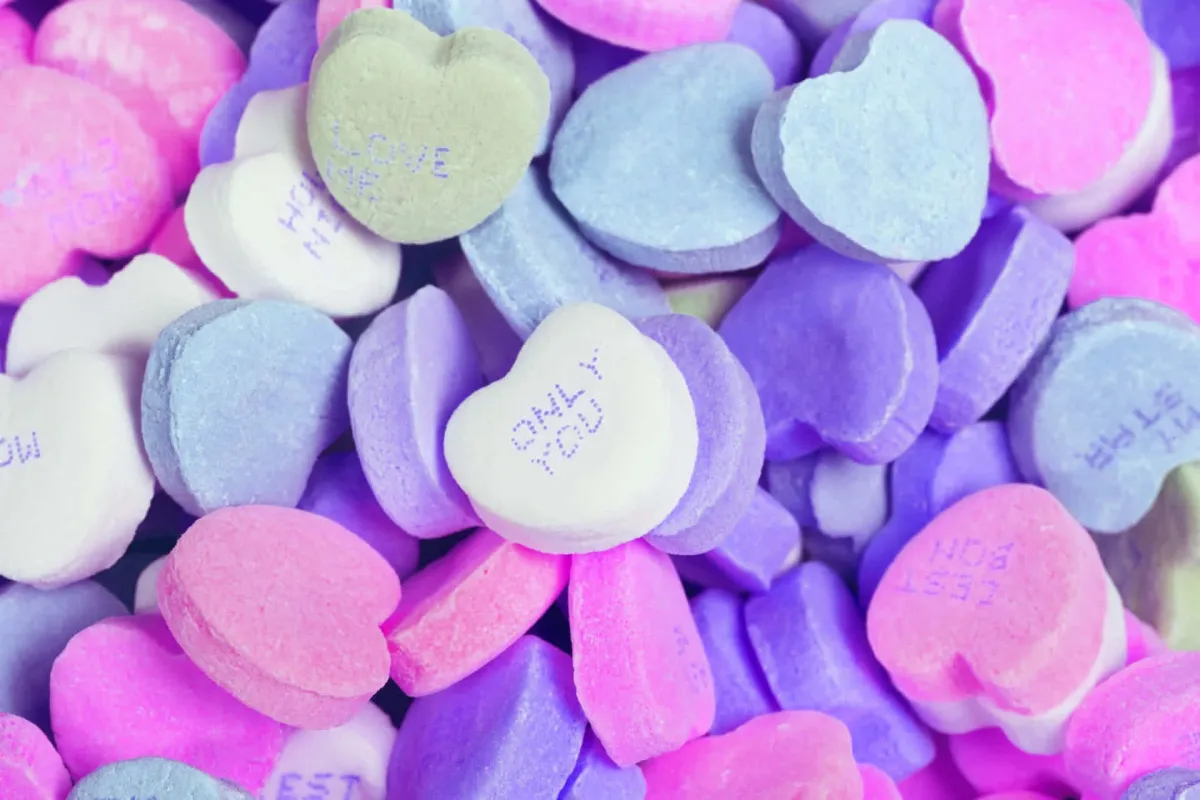 Photo: Valentine's Day, via wallpapers.com
Valentine's Day in the 1920s was still a relatively minor holiday, celebrated mainly by children exchanging cards. The florist industry saw an opportunity to make it adult, romantic, and profitable. They positioned red roses as the "traditional" Valentine's gift, despite the fact that no such tradition existed.
The Memory Hole of Marketing
What happened next shows how effectively commercial messaging can rewrite cultural memory. Within a single generation, Americans forgot that red roses had ever meant anything other than romance. The funeral association didn't fade gradually—it disappeared almost completely.
Florists helped the process along by subtly discouraging red roses at funerals. They began recommending white roses, lilies, or mixed arrangements instead. Funeral directors, who had relationships with local florists, went along with the shift. Cemetery designers stopped incorporating red roses into new monuments.
By 1940, most Americans under thirty had no idea that red roses had once been funeral flowers. The transformation was so complete that even florists forgot their own industry's history.
The Billion-Dollar Tradition
Today, red roses generate over $2 billion in annual sales, with Valentine's Day accounting for nearly 40% of that total. Americans buy approximately 250 million red roses every February 14th, treating this as an ancient romantic tradition that stretches back centuries.
The truth is more prosaic: it's a marketing success story that's less than a century old. The "traditional" connection between red roses and romantic love was manufactured by an industry that needed to move more product.
This isn't to say the symbolism is meaningless now. Symbols become real through collective agreement, and Americans have definitely agreed that red roses mean romance. But understanding the commercial origins helps explain why this particular flower became so dominant, while other potential romantic symbols—like pink roses, which actually do have historical associations with love—never achieved the same market penetration.
The Pattern Behind the Roses
The red rose transformation wasn't unique. The same era saw similar campaigns that created "traditional" associations we now take for granted. The diamond engagement ring, the white wedding dress, even the Christmas tree all became American traditions through coordinated marketing efforts that convinced people they were following ancient customs.
What made these campaigns successful was their ability to create emotional authenticity around commercial products. The florist industry didn't just sell red roses—they sold the idea that giving red roses was a meaningful way to express genuine feelings.
Why We Forgot the Cemetery
The speed with which Americans forgot red roses' funeral associations reveals something important about how cultural memory works. We tend to remember the meanings that serve us emotionally and forget the ones that don't. Romance is more appealing than mourning, love more marketable than death.
The florist industry understood this instinctively. They weren't just changing what red roses meant—they were giving people permission to associate them with happier emotions. In a sense, they liberated red roses from the cemetery and gave them new life in the living room.
Every Valentine's Day, when millions of Americans buy red roses as tokens of love, they're participating in a tradition that's both completely artificial and completely real. The flowers mean what we've agreed they mean—but it's worth remembering that someone, somewhere, had to convince us to agree in the first place.