The Smelly Vat That Built America's Denim Empire
The Chemistry Lab That Almost Killed Blue Jeans
Walk into any American closet today and you'll find at least one pair of blue jeans. That familiar indigo shade seems as natural as the cotton itself, but the story behind that color involves centuries of chemistry so complex that it nearly disappeared from the world entirely.
Before 1897, every pair of blue jeans got its color from a process that would make modern factory workers quit on the spot. The indigo dye that colored denim came from fermenting plant matter in vats so putrid that textile workers could smell them from blocks away.
When Plants Were Chemistry Sets
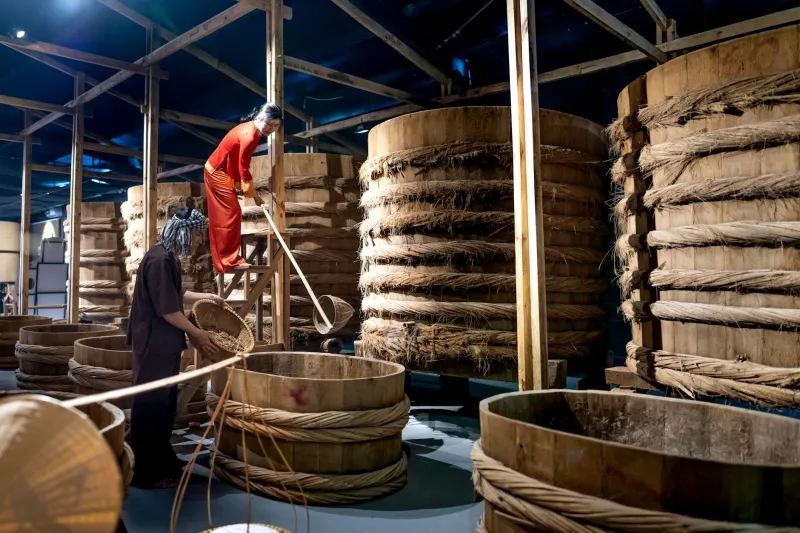
Indigo dyeing wasn't just mixing color into fabric—it was biological warfare against your nose. Workers would harvest indigo plants (primarily Indigofera tinctoria), chop them up, and submerge them in massive stone vats filled with water. Then came the waiting.
For weeks, the plant matter would rot in those vats, creating a bacterial soup that produced the chemical compounds needed for blue dye. The fermentation process required constant attention: workers had to stir the mixture daily, monitor the pH levels by taste (yes, taste), and add lime or ammonia to keep the chemistry balanced.
The smell was legendary. Historical accounts from indigo plantations describe an odor so intense that visitors would vomit from a quarter-mile away. Workers developed immunity, but newcomers often couldn't handle their first week on the job.
America's Blue Gold Rush
By the 1850s, when Levi Strauss started reinforcing work pants with metal rivets, American textile mills had become masters of this smelly art. The California Gold Rush created massive demand for durable work clothes, and indigo-dyed denim became the uniform of choice for miners, railroad workers, and farmers.
Indigo plantations in South Carolina and Georgia supplied much of America's dye, but the process remained labor-intensive and unpredictable. A single contaminated batch could ruin weeks of work. Weather changes could throw off fermentation timing. Getting consistent blue color required skills passed down through generations of dye masters.
Textile mills employed specialists whose only job was managing indigo vats. These "blue men" (they were always men, and their hands were permanently stained blue) commanded high wages because their expertise couldn't be easily replaced.
The German Chemist Who Changed Everything
Then Adolf von Baeyer ruined everything.
 Photo: Adolf von Baeyer, via i.etsystatic.com
In 1897, this German chemist figured out how to synthesize indigo in a laboratory. No more rotting plants. No more fermentation vats. No more blue men with their specialized knowledge. Just pure chemistry producing perfect indigo dye on demand.
The synthetic process was faster, cheaper, and infinitely more predictable than biological fermentation. Within a decade, nearly every textile mill in America had switched to synthetic indigo. The traditional indigo plantations went out of business almost overnight.
Levi Strauss & Co. adopted synthetic indigo by 1905, and most Americans never knew their jeans had changed. The color looked identical, but the centuries-old process that created it had vanished from industrial memory.
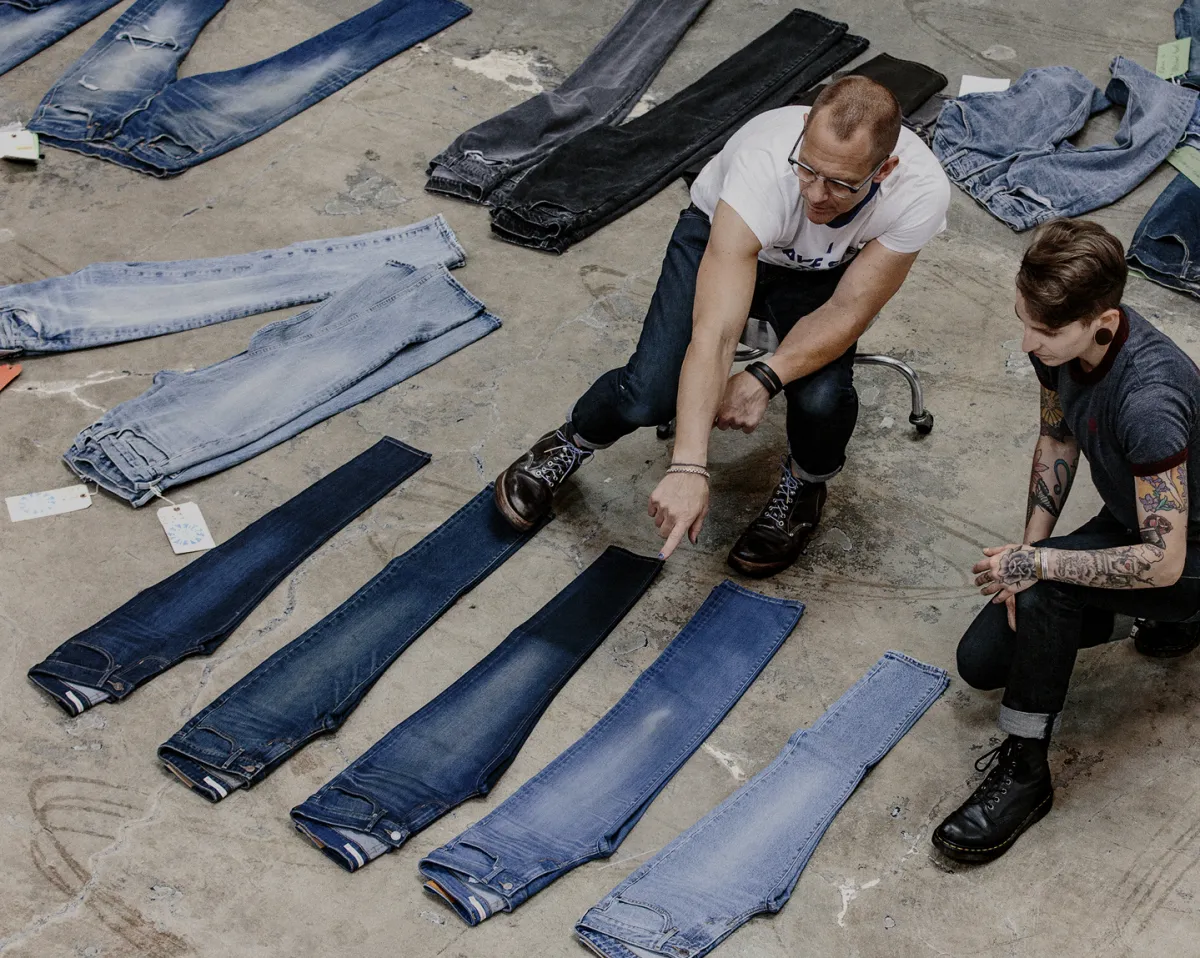 Photo: Levi Strauss & Co., via www.levistrauss.com
The Artisans Who Remember
Today, a small group of denim enthusiasts is bringing back the original process. Boutique jean makers in North Carolina, California, and Japan are fermenting indigo plants again, recreating those putrid vats that textile workers once dreaded.
These modern indigo artisans claim the natural fermentation process creates subtle color variations that synthetic dye can't match. Each batch produces slightly different blues, giving handmade jeans a character that mass-produced denim lacks.
Virginia-based Blackhorse Lane Ateliers runs one of the few remaining natural indigo operations in America. Their fermentation vats still smell terrible, but customers pay premium prices for jeans dyed the old way. Owner Han Ates estimates that natural indigo adds 200% to production costs, but collectors consider it worth the investment.
 Photo: Blackhorse Lane Ateliers, via t1tan.com
Why Chemistry Couldn't Kill Culture
The story of indigo dye reveals something fascinating about American manufacturing: sometimes the old way survives alongside the new way, serving completely different markets.
Synthetic indigo dominates mass production because it's reliable and affordable. But natural indigo persists in luxury markets because its imperfections became selling points. The slight color variations that frustrated 19th-century manufacturers now appeal to customers seeking authentic, handcrafted products.
Every pair of blue jeans tells this story—whether dyed in a modern chemical plant or a stinking fermentation vat. The blue that defined American workwear came from one of the most complex, foul-smelling processes in textile history. And somehow, against all odds, people are still willing to recreate that smell today.