The Rationing That Never Happened
Walk into any drugstore today and you'll find dozens of red lipstick shades—from classic cherry to deep burgundy. But this everyday beauty ritual exists because of a wartime decision that had nothing to do with fashion and everything to do with keeping America's spirits up during its darkest hour.
In 1942, as the United States threw its full weight behind the war effort, the government began rationing nearly everything. Sugar disappeared from store shelves. Silk stockings became impossible to find. Even toothpaste tubes were made from different materials to conserve metal. But in Washington's offices, officials made a curious exception: cosmetics, particularly lipstick, would remain freely available.
The Morale Weapon
The decision wasn't about vanity—it was strategic psychology. Government officials believed that maintaining feminine beauty routines was essential for home front morale. If women felt attractive and put-together, the thinking went, they'd be more productive in factories and more resilient during long separations from husbands and boyfriends overseas.
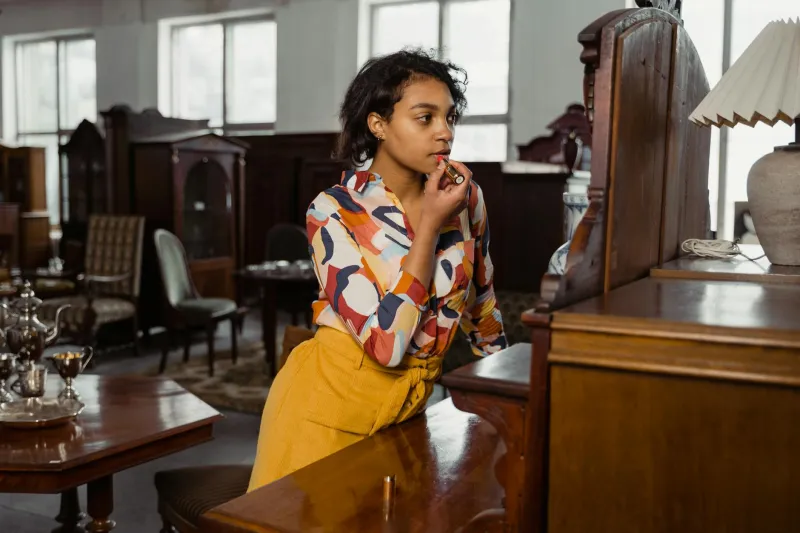
Elizabeth Arden even created a special "Victory Red" shade specifically for women in the military auxiliaries. The idea was simple: red lips meant strength, determination, and American femininity—qualities the country desperately needed to project both at home and abroad.
The Accidental Revolution
What government planners didn't anticipate was how this policy would fundamentally reshape American beauty habits. Before the war, lipstick was often considered too bold for everyday wear—something reserved for special occasions or certain types of women. Many American women barely wore makeup at all.
But when everything else was rationed and restricted, lipstick became one of the few luxuries still within reach. Women who had never worn bold makeup suddenly found themselves reaching for red tubes as an act of patriotic defiance. If the government said wearing lipstick helped win the war, then wearing lipstick became a civic duty.
From Factory Floors to Main Street
The transformation was most visible in America's factories, where millions of women took jobs previously held by men. These "Rosie the Riveters" often worked in dangerous conditions with heavy machinery, but they showed up each morning with carefully applied red lipstick. The contrast was striking: feminine glamour in the most masculine of workplaces.
Factory supervisors noticed something interesting—women who maintained their beauty routines seemed more confident and productive. What had started as a morale policy was proving itself on production lines across the country.
The Habit That Stuck
When the war ended and rationing lifted, something unexpected happened: American women didn't abandon their wartime beauty habits. The daily ritual of applying red lipstick had become so ingrained that it survived the return to peacetime. Women who had discovered confidence through cosmetics during the war weren't about to give it up.
The cosmetics industry, which had survived wartime restrictions, suddenly found itself with a vastly expanded customer base. Companies that had marketed lipstick as occasional glamour before the war now sold it as daily necessity. The transformation was complete.
The Legacy in Your Makeup Bag
Today's massive cosmetics industry—worth over $500 billion globally—traces its roots directly back to this wartime policy decision. The idea that wearing makeup is a normal part of a woman's daily routine, rather than special-occasion glamour, emerged from a government's desperate attempt to maintain morale during the country's most challenging period.
Every morning when American women apply lipstick before heading to work, they're unconsciously continuing a ritual that began not in fashion magazines or Hollywood, but in the policy rooms of wartime Washington. What started as a strategic decision to boost home front morale accidentally rewrote the rules of American beauty culture—and those rules have never changed back.
The next time you see that familiar red tube in a purse or pocket, remember: you're looking at the lasting legacy of a government that believed lipstick could help win a war. They were right—just not in the way they expected.