One Million Soldiers and Not a Single Tape Measure: The Accidental Birth of American Clothing Sizes
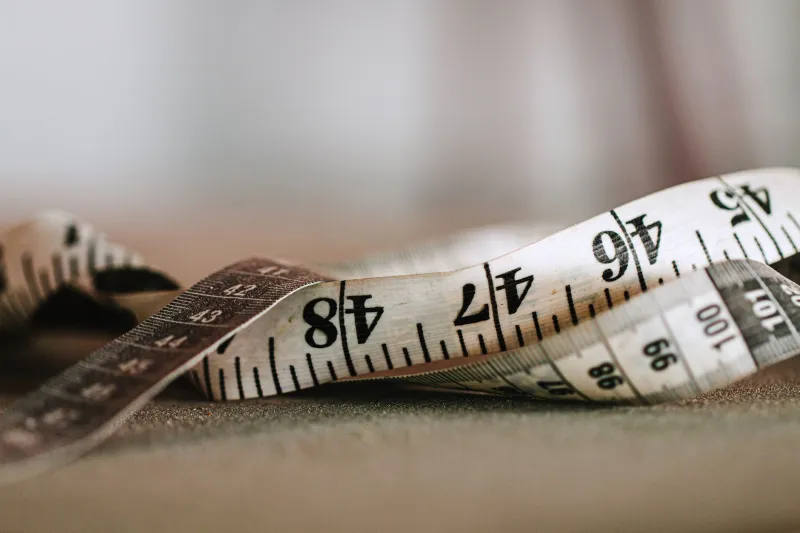
Stand in a fitting room long enough and you start to notice something strange. A medium in one brand fits like a large in another. A size 10 dress from one designer requires a size 14 from the store next door. The number on the tag seems more like a suggestion than a measurement — a rough approximation of a human body that doesn't quite match any actual human body you've ever met.
This is not a new complaint. Americans have been quietly baffled by clothing sizes for as long as there have been clothing sizes. What most people don't realize is that the system didn't emerge from careful design or scientific precision. It came out of a military emergency, a pile of government data, and a series of decisions made by people who were trying to solve a completely different problem.
Before Sizes Existed
For most of American history, the idea of "off-the-rack" clothing in standardized sizes simply didn't exist in any meaningful way. Wealthy Americans had their clothes made by tailors who took precise individual measurements. Working-class Americans wore clothes sewn at home, often from patterns, or bought rough garments from general stores that were sized in the vaguest possible terms — small, medium, large, or just labeled by a single chest measurement with no other specifications.
The fit was almost universally imperfect, and nobody expected otherwise. Clothing was a practical necessity, not a precision product. You bought what came closest and altered it yourself, or you lived with the gap.
This worked tolerably well when the country's population was smaller and clothing production was mostly local. Then the Civil War started, and the federal government suddenly needed to clothe hundreds of thousands of men in a matter of months.
The Quartermaster's Nightmare
When the Union Army began mobilizing in 1861, military quartermasters faced a logistical problem of almost comic proportions. They needed to produce and distribute uniforms at a scale the country had never attempted. Soldiers were coming from every state, every background, every conceivable body type. There was no system for predicting what sizes would be needed, no reliable data on how American men were actually built, and no standardized manufacturing framework to work from.
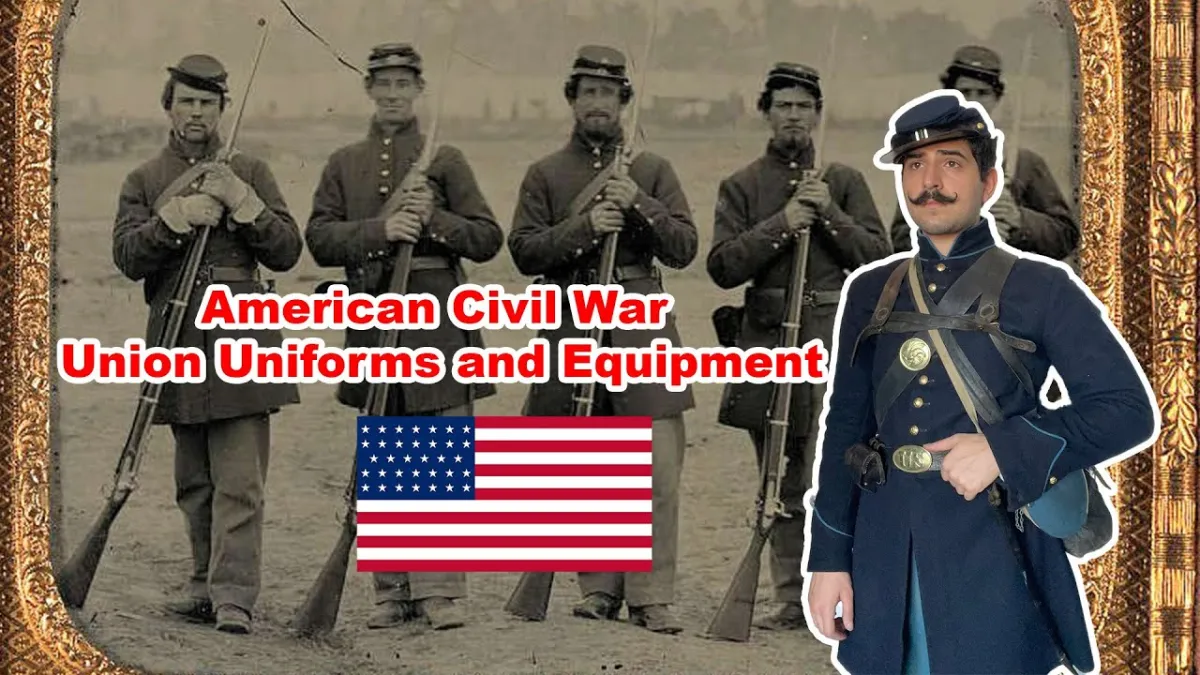 Photo: Union Army, via i.ytimg.com
The initial approach was essentially organized chaos. Uniforms were produced in rough size categories and distributed with the understanding that soldiers would alter them or simply make do. Photographs from early in the war show men swimming in oversized jackets or straining buttons across the chest. The waste was significant. The morale impact was real.
Somewhere in the middle of this mess, military officials began recording the body measurements of recruits — not primarily as a clothing research project, but as part of standard medical and administrative intake procedures. By the end of the war, the Union Army had collected measurements from somewhere between a million and a million and a half men: chest circumference, height, weight, inseam, and other dimensions recorded in intake registers across hundreds of recruitment stations.
It was, entirely by accident, the largest body measurement survey in American history up to that point.
The Data Nobody Planned to Use
After the war ended, a government official named Elias Butterick — actually, to be precise, it was researchers working with the data who began to see its civilian potential — recognized that this mountain of measurements contained something genuinely useful. The numbers revealed patterns. American men clustered around certain proportions. Height and chest size correlated in predictable ways. The data suggested that if you designed garments around a handful of standardized measurements, you could produce clothing that would fit the majority of the population acceptably well.
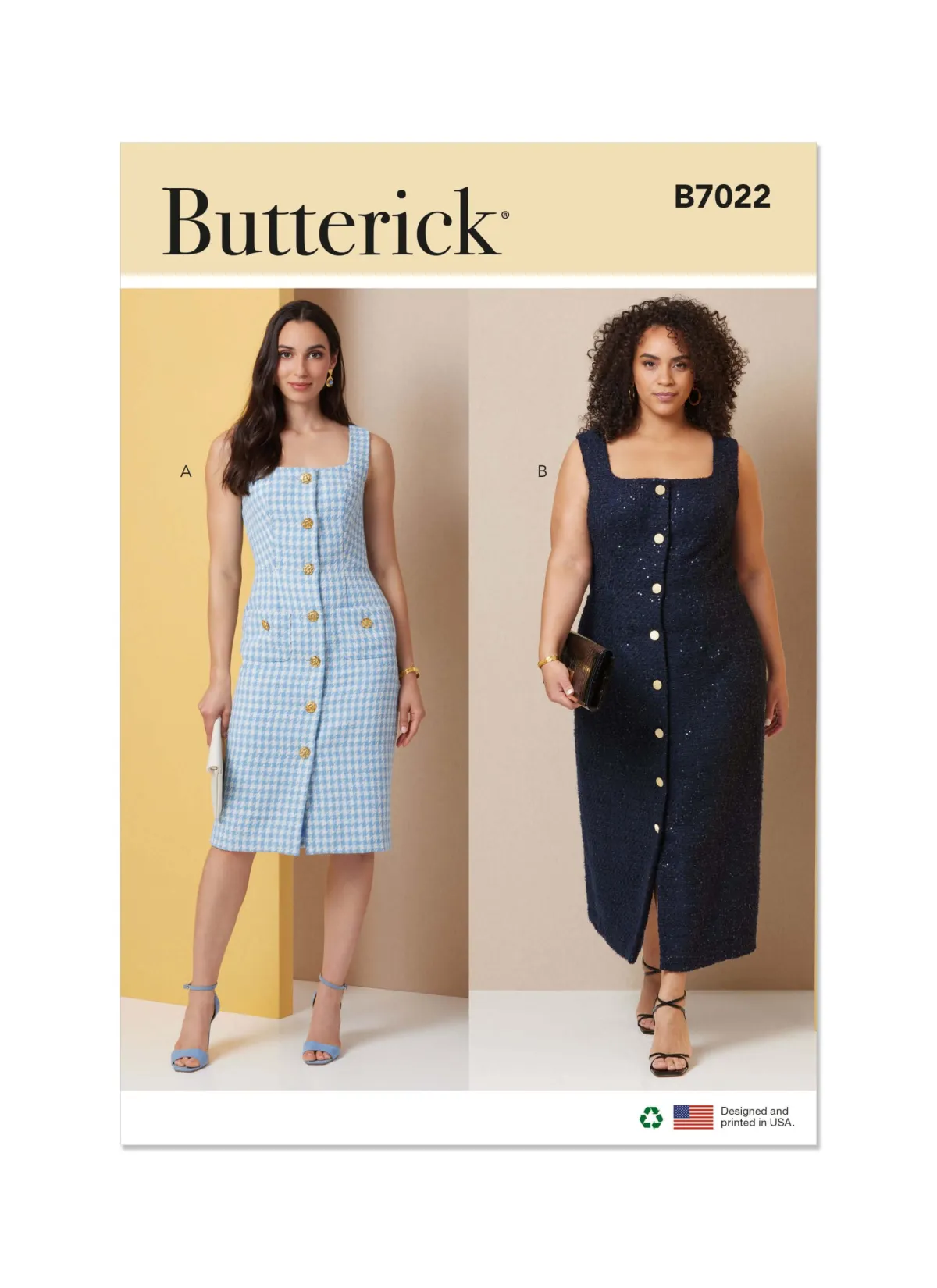 Photo: Butterick, via www.sewdirect.com
The commercial sewing pattern industry, which was already emerging in the 1860s, seized on this insight. Butterick and later McCall's began producing standardized pattern sizes based on the measurement data and similar surveys. Ready-to-wear clothing manufacturers followed. By the late 19th century, department stores were selling garments in numbered sizes that corresponded, at least loosely, to a set of standardized body proportions.
It was the beginning of the modern sizing system. And it was built on data collected from men, by an army, to solve a wartime supply problem.
Why Women's Sizes Are Especially Chaotic
Here's a wrinkle that explains a lot of fitting room frustration: the original Civil War data was collected exclusively from male soldiers. Women's sizing had to be developed separately, later, and with far less rigorous data behind it.
The first serious attempt at standardizing women's clothing sizes in the United States came in 1939, when the Department of Agriculture commissioned a study measuring nearly 15,000 American women. The resulting size charts were published in 1941 and formed the basis for women's ready-to-wear sizing for decades.
 Photo: Department of Agriculture, via context.ph
But the 1939 study had significant methodological problems. The sample was not representative — it overrepresented white women of Northern European descent and underrepresented women of color, women in certain regions, and women of certain socioeconomic backgrounds. The size charts built from this data reflected a narrow slice of the actual American female population.
Those flawed charts became industry standard anyway, and the fashion industry spent the next several decades quietly adjusting them — not to better reflect real bodies, but to flatter customers. "Vanity sizing," the practice of labeling a larger garment with a smaller number to make shoppers feel good, crept into the system gradually. A size 8 in 1958 and a size 8 today are not the same garment.
The System That Fits Nobody Perfectly
The United States has never adopted a truly universal clothing size standard. In 1983, the government actually withdrew the voluntary standard it had published for women's clothing sizes, leaving the industry to regulate itself. It has not done so in any consistent way.
The result is a system that is simultaneously everywhere and meaningless — a patchwork of brand-specific sizing conventions loosely descended from a wartime data collection project that was never meant to shape how Americans shop for jeans.
And yet, in a strange way, it works well enough that we've never bothered to fix it. The fitting room frustration is baked in, normalized, expected. You try things on. You guess. You bring three sizes into the dressing room and hope for the best.
The Union Army soldiers standing in their ill-fitting wool jackets in 1861 would probably recognize the feeling.