The Factory Boot That Couldn't Get Hired—Until Mountains Called
The Cobbler Nobody Wanted
Herman Danner had a problem that would make any entrepreneur panic: he'd built the perfect product for the wrong market.
 Photo: Herman Danner, via alchetron.com
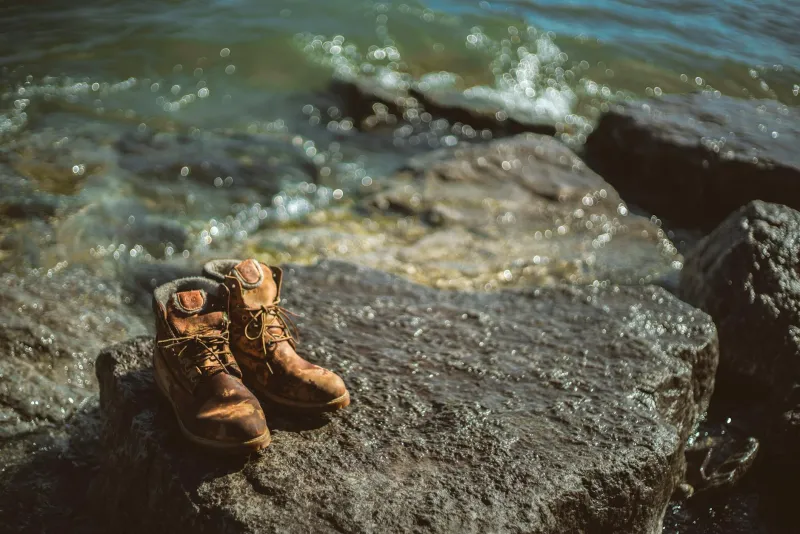
In 1932, his small shoe shop in Portland, Maine, was producing the most durable work boots anyone had ever seen. Full-grain leather uppers, hand-stitched construction, and a sole design that could grip wet concrete like glue. They were built to last twenty years of factory floor punishment.
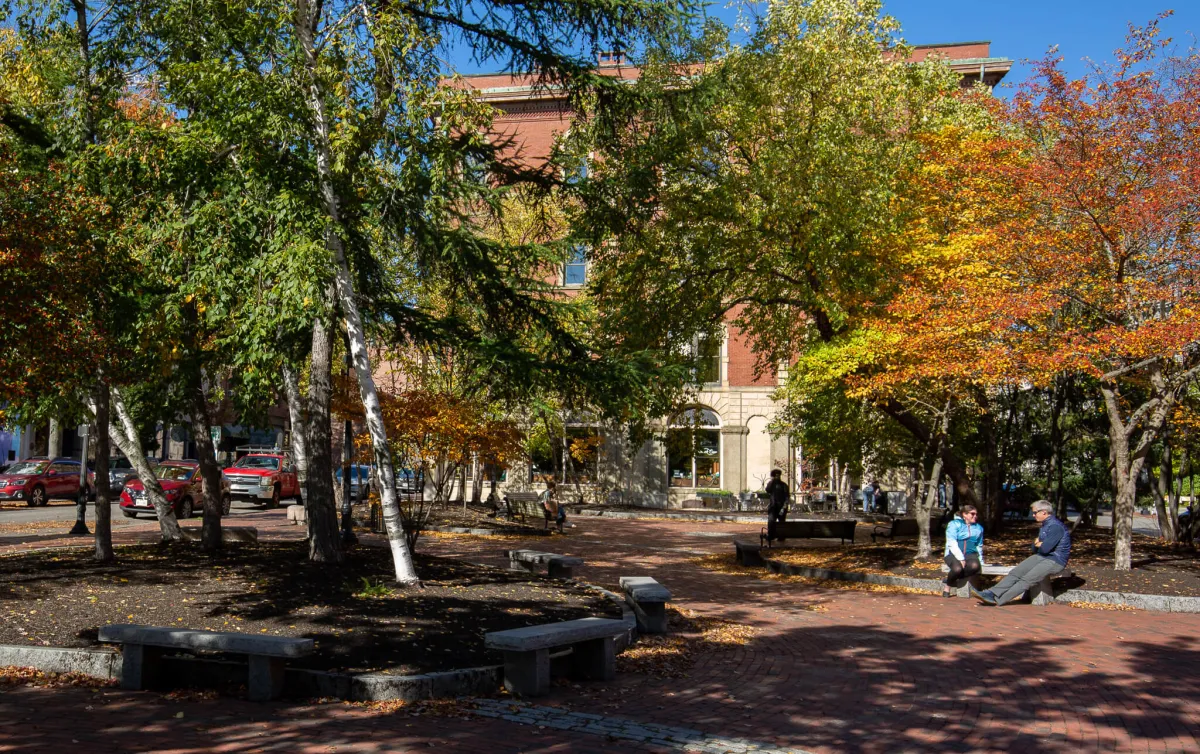 Photo: Portland, Maine, via www.cruiseportlandmaine.com
Factory foremen kept turning him down. "Too expensive," they'd say. "Our workers don't need boots this fancy."
Danner was making boots for an industrial world that preferred cheap and replaceable to expensive and permanent. He was about to go out of business when the mountains saved him.
The Weekend Warriors Who Changed Everything
On a rainy Saturday morning in October 1932, three men walked into Danner's shop. They weren't factory workers. They were what we'd now call weekend warriors—city guys who spent their free time climbing the granite peaks of New Hampshire's White Mountains.
They'd heard about Danner's boots through word-of-mouth from a construction worker who swore by them. But they didn't want them for construction. They wanted them for scrambling up wet rock faces where a single slip could mean a deadly fall.
"We need something that won't let us down when we're hanging off a cliff," one of them explained.
Danner looked at these men—accountants and lawyers who chose to spend their weekends risking their lives for fun—and realized he'd been selling to the wrong people entirely.
The Accidental Market Discovery
Those three climbers became Danner's first outdoor customers, and they were unlike any customers he'd ever had. Factory workers complained about price. These guys asked if he could make the boots even more expensive by adding extra features.
They wanted deeper lugs on the soles for better grip. They wanted higher ankle support for uneven terrain. They wanted the leather treated with extra waterproofing compounds. Most importantly, they were willing to pay premium prices for premium performance.
Within six months, word had spread through the small but growing community of American outdoor enthusiasts. Hikers, hunters, and weekend adventurers started making pilgrimages to Portland, Maine, specifically to buy Danner boots.
By 1934, Danner had stopped trying to sell to factories entirely. He'd accidentally discovered that Americans with disposable income would pay factory-worker wages for a single pair of boots—if those boots could handle their weekend adventures.
The Birth of Recreational Workwear
What Danner didn't realize at the time was that he'd stumbled onto one of the biggest cultural shifts in American consumer history: the rise of recreational workwear.
For the first time, middle-class Americans were buying clothes and gear designed for physical labor—not because they needed to do physical labor, but because they chose to do physical activities that felt like physical labor.
This was a completely new concept. Throughout most of human history, people with money tried to dress as unlike workers as possible. Suddenly, American professionals were paying premium prices to dress like lumberjacks and construction workers on their days off.
Danner's boots became the template for this entire industry. They were authentic workwear that had been accidentally repurposed for recreation. They carried the credibility of actual utility, combined with the luxury of choice.
The Psychology of Earned Toughness
The outdoor footwear industry that grew from Danner's accidental discovery tapped into something deeper than just practical need. It offered urban Americans a way to purchase the appearance of ruggedness without actually living a rugged life.
Wearing boots designed for dangerous work made weekend hikers feel tougher, more authentic, more connected to America's frontier heritage. The boots didn't just protect their feet—they protected their identity as people who could handle the outdoors.
This psychological appeal proved incredibly powerful. By the 1950s, outdoor gear companies were explicitly marketing the idea that their customers were tougher than average Americans. Buying the right boots became a way of buying into a tougher version of yourself.
From Niche to Mainstream
Today, the outdoor footwear industry generates over $5 billion annually in the United States alone. Brands like Timberland, Red Wing, and yes, Danner, sell millions of pairs of boots to people who will never set foot on a construction site or climb a mountain.
The boots have become fashion statements as much as functional gear. You'll see $300 hiking boots on college campuses, in coffee shops, and in corporate offices. They've been completely divorced from their original purpose, but they still carry the cultural weight of that purpose.
The Blurred Line That Never Existed
Here's the thing that outdoor gear marketing doesn't want you to realize: the line between workwear and leisure wear was always artificial.
Danner's boots worked for both factory floors and mountain peaks because good design is good design. The same features that helped workers stay safe in dangerous industrial environments also helped recreational climbers stay safe in dangerous natural environments.
The difference was never in the product—it was in the customer's relationship to risk. Factory workers needed protection from occupational hazards they couldn't avoid. Outdoor enthusiasts wanted protection from recreational hazards they chose to embrace.
Both groups needed the same thing: reliable gear that wouldn't fail when failure could be catastrophic. Danner just had to learn that Americans would pay more for chosen danger than forced danger.
The next time you see someone wearing $400 hiking boots to walk their dog around the neighborhood, remember Herman Danner. He proved that sometimes the best way to find your market is to stop looking for it and let it find you.