Root & Line The hidden backstory behind everyday things

Root & Line

The hidden backstory behind everyday things


Latest Articles

From Himalayan Goat Hair to Mall Sweaters: The Luxury Fiber That Conquered America
Culture

From Himalayan Goat Hair to Mall Sweaters: The Luxury Fiber That Conquered America

What started as Napoleon's wife's obsession with exotic shawls eventually became the weekend uniform of suburban America. The journey of cashmere from remote Himalayan valleys to department store racks reveals how luxury became democratic — and why we're still paying premium prices for goat hair.
Fifteen Dollars and Three Hours: The Afternoon That Created America's Most Essential Fix
Culture

Fifteen Dollars and Three Hours: The Afternoon That Created America's Most Essential Fix

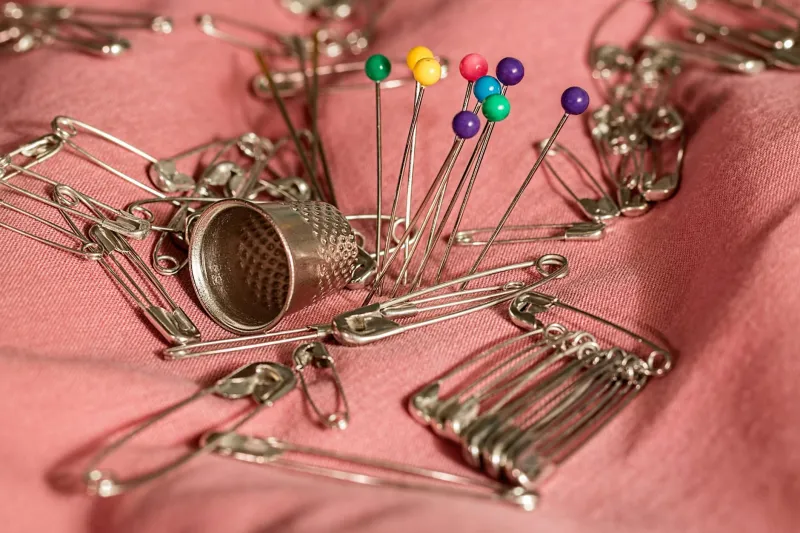
When Walter Hunt sat down with a piece of wire and a $15 debt in 1849, he had no idea he was about to invent something that would end up in every American home. In just three hours, he created the safety pin—then immediately sold it for pennies on the dollar.

When Spilled Fuel Cleaned Better Than Soap: The Messy Mistake That Created an Empire
Culture

When Spilled Fuel Cleaned Better Than Soap: The Messy Mistake That Created an Empire

A clumsy servant's accident with a kerosene lamp in 1855 Paris accidentally launched what would become America's billion-dollar dry cleaning industry. Here's how one spill changed the way we care for clothes forever.

Five Thousand Years of Decoration: How Buttons Finally Got Their Job
Culture

Five Thousand Years of Decoration: How Buttons Finally Got Their Job

For millennia, buttons were nothing more than expensive jewelry sewn onto clothing. The revolutionary idea of actually using them to fasten garments didn't occur to anyone until the 1200s, and even then, it took centuries to catch on.

The Machine That Couldn't Thread Straight: How Wonky Stitches Became Denim's Signature Look
Culture

The Machine That Couldn't Thread Straight: How Wonky Stitches Became Denim's Signature Look

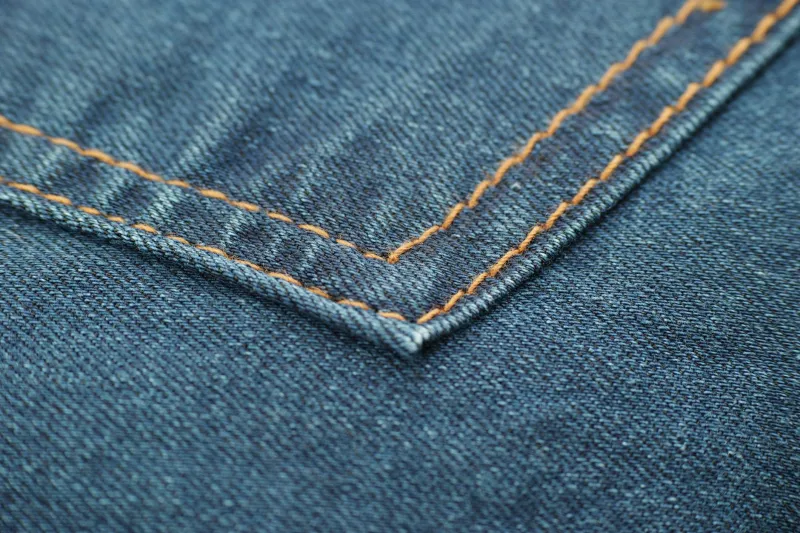
A temperamental sewing machine in 1851 Massachusetts kept creating crooked stitches that should have been scrapped. Instead, those imperfect seams accidentally invented the look that would define American workwear forever.

Blue Gold: The Colonial Plant That Accidentally Dyed America's Uniform
Culture

Blue Gold: The Colonial Plant That Accidentally Dyed America's Uniform

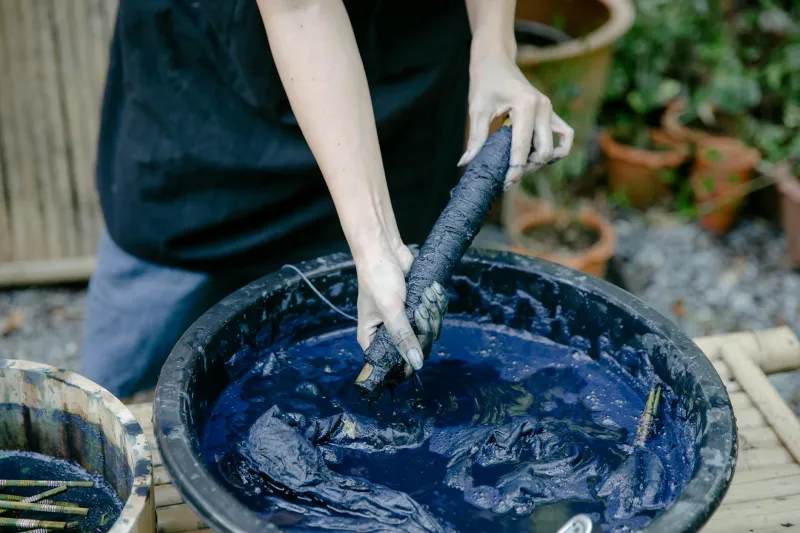
Before your favorite jeans existed, indigo was so precious it funded entire colonies and sparked international trade wars. The same blue dye that once made fortunes in Charleston plantations now fades from millions of American wardrobes every day — and that's exactly how it was designed to work.

Flat-Pack Philosophy: How IKEA Convinced Americans They Were Interior Designers All Along
Culture

Flat-Pack Philosophy: How IKEA Convinced Americans They Were Interior Designers All Along

When IKEA opened its first American store in 1985, it wasn't just selling bookshelves — it was selling a completely different idea about who gets to have a well-designed home. The cultural shift that followed went a lot deeper than furniture, and its effects are still reshaping the way Americans think about personal style, homeownership, and what a living room is supposed to say about you.

Nobody Was Trying to Clean Anything — But a Lab Mistake Did It Better Than Anything Else
Culture

Nobody Was Trying to Clean Anything — But a Lab Mistake Did It Better Than Anything Else

In a California laboratory in the early 1950s, a small team of chemists was trying to stop rockets from rusting — not scrub grease off a garage floor. What they accidentally created became one of the most recognized cans in the American utility closet, and the story of how it got there is stranger than you'd ever expect.

Thirty Years, Three Inventors, and One Tiny Fix: The Zipper Almost Never Made It
Culture

Thirty Years, Three Inventors, and One Tiny Fix: The Zipper Almost Never Made It

The zipper looks like one of those obvious ideas — the kind of thing you'd assume someone invented in an afternoon. In reality, it took three separate inventors, thirty years of failed prototypes, and a single small mechanical tweak to produce something that actually worked. The story of why it almost never happened is more interesting than the zipper itself.

The Teenage Girl Who Saved a Colony — and Accidentally Colored Your Wardrobe Forever
Culture

The Teenage Girl Who Saved a Colony — and Accidentally Colored Your Wardrobe Forever

Before blue jeans were an American uniform, indigo was a political weapon, a colonial obsession, and the unlikely project of a sixteen-year-old girl in South Carolina. The plant-based pigment that gives denim its color has one of the most turbulent backstories in fashion history — and almost none of it gets told.

Before the Mall Existed, This Forgotten Store Taught Americans How to Shop
Culture

Before the Mall Existed, This Forgotten Store Taught Americans How to Shop

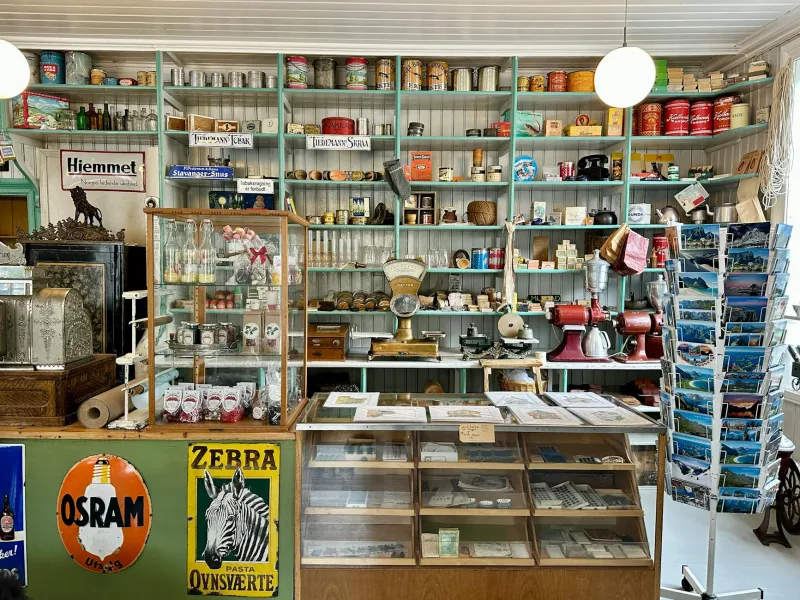
The dry goods store sounds like a relic — a dusty footnote from frontier America. But this unassuming nineteenth-century retail format quietly introduced Americans to ideas that still drive how we shop today: browsing without obligation, fixed prices, and the pleasure of looking without buying. Almost nobody traces modern consumer culture back to here, but maybe they should.

The Moment Americans Decided to Become Walking Billboards — and Never Looked Back
Culture

The Moment Americans Decided to Become Walking Billboards — and Never Looked Back

For most of fashion history, wearing a company's name on the outside of your shirt would have seemed strange at best, embarrassing at worst. Then a few things happened in the 1970s and 1980s that flipped that logic completely — and turned the American consumer into the most enthusiastic free advertiser the world has ever seen.

How a Newspaper Joke From 1839 Became the Most Useful Word in the English Language
Culture

How a Newspaper Joke From 1839 Became the Most Useful Word in the English Language

"OK" is probably the word you use most without ever thinking about it — in texts, in conversation, in the quiet nod you give when someone asks if you're fine. But the story of how a throwaway abbreviation from a Boston newspaper became the default expression of agreement for billions of people across dozens of languages is stranger and more specific than most people expect. It starts with a joke that wasn't even that funny.

The Stale Batch That Built a Breakfast Empire
Culture

The Stale Batch That Built a Breakfast Empire

In the 1890s, two brothers at a Michigan health retreat accidentally left a batch of wheat sitting out too long — and instead of throwing it away, they ran it through rollers anyway. What came out of that moment of frugality eventually reshaped the American morning routine forever. The gap between where corn flakes started and where they ended up is one of the stranger gaps in food history.

One Architect's Wild Idea in Minnesota Changed Where Americans Spend Their Saturdays
Culture

One Architect's Wild Idea in Minnesota Changed Where Americans Spend Their Saturdays

In 1956, a Vienna-born architect opened a climate-controlled, fully enclosed shopping center in a suburb of Minneapolis and called it a town square for modern America. He meant it as a compliment. What Southdale Center became — the template for thousands of malls across the country — is a story about big ideas, suburban sprawl, and the strange distance between what something was designed to do and what it actually did.

The Fitting Room Was Built to Sell You Something — And It Worked Perfectly
Culture

The Fitting Room Was Built to Sell You Something — And It Worked Perfectly

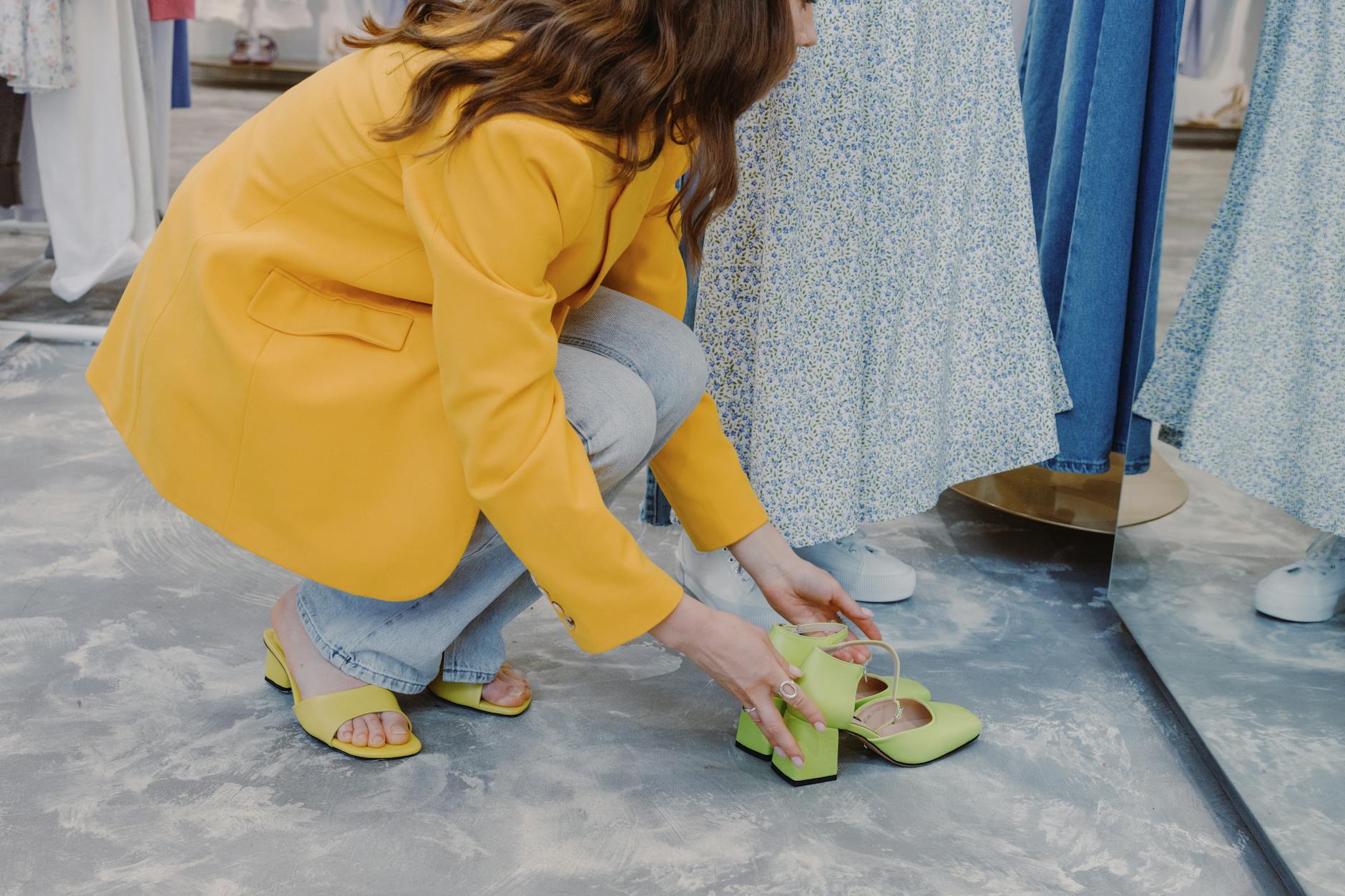
That small curtained cubicle at the back of every clothing store didn't appear by accident. The fitting room was a calculated 19th-century invention designed to remove embarrassment, encourage lingering, and quietly make shoppers spend more. It worked then, and it still works now.

The Obsessed Inventor, the Kitchen Stove, and the Rubber Sole Under Every Sneaker You Own
Culture

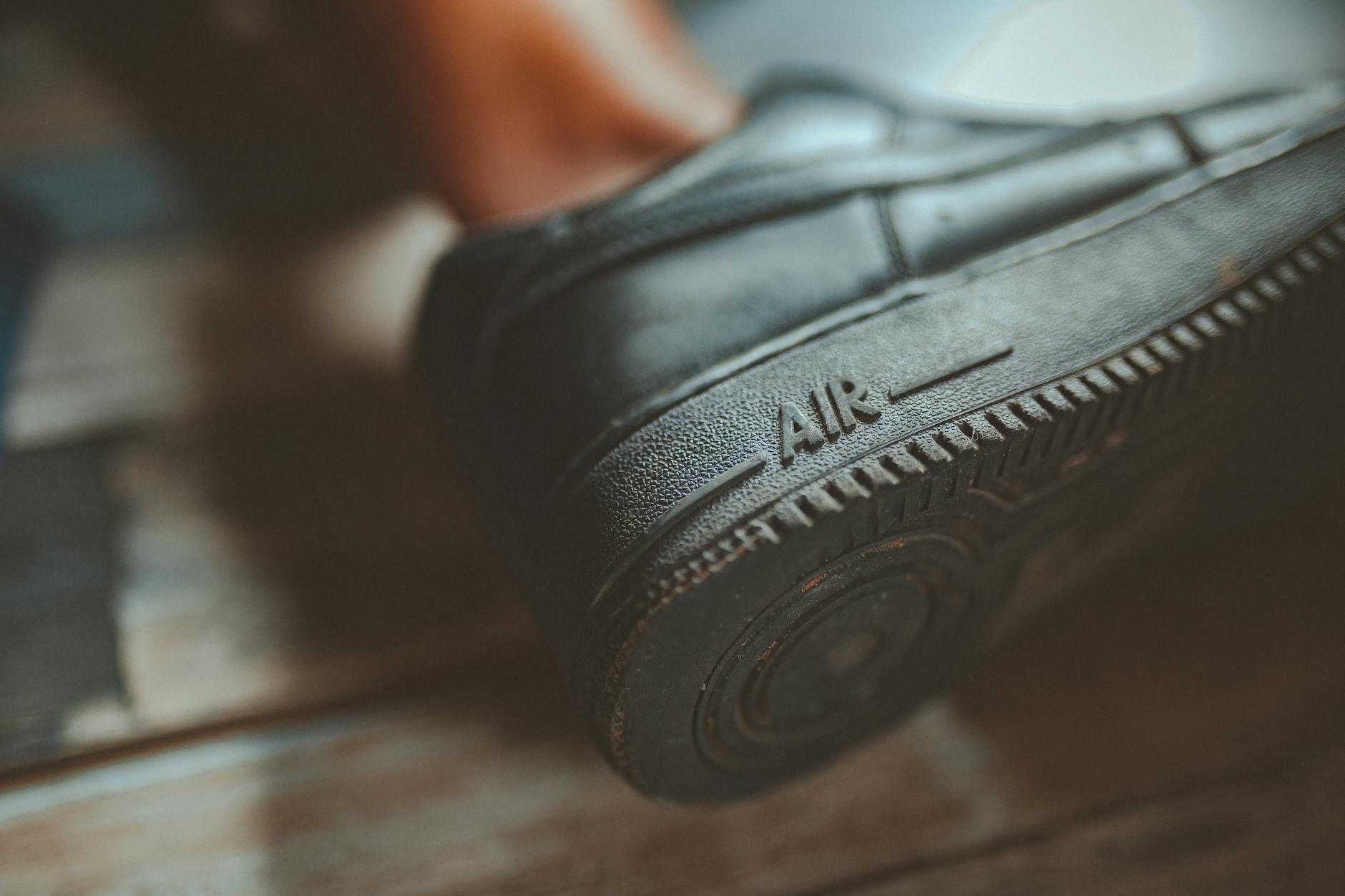
The Obsessed Inventor, the Kitchen Stove, and the Rubber Sole Under Every Sneaker You Own

Most people know the Goodyear name from tire shops, not shoe stores. But Charles Goodyear's accidental breakthrough with rubber didn't just change the auto industry — it quietly became the foundation of modern footwear, and eventually, sneaker culture as we know it.

Rivets, Ruin, and the Gold Rush Gamble That Gave America Its Favorite Pants
Culture

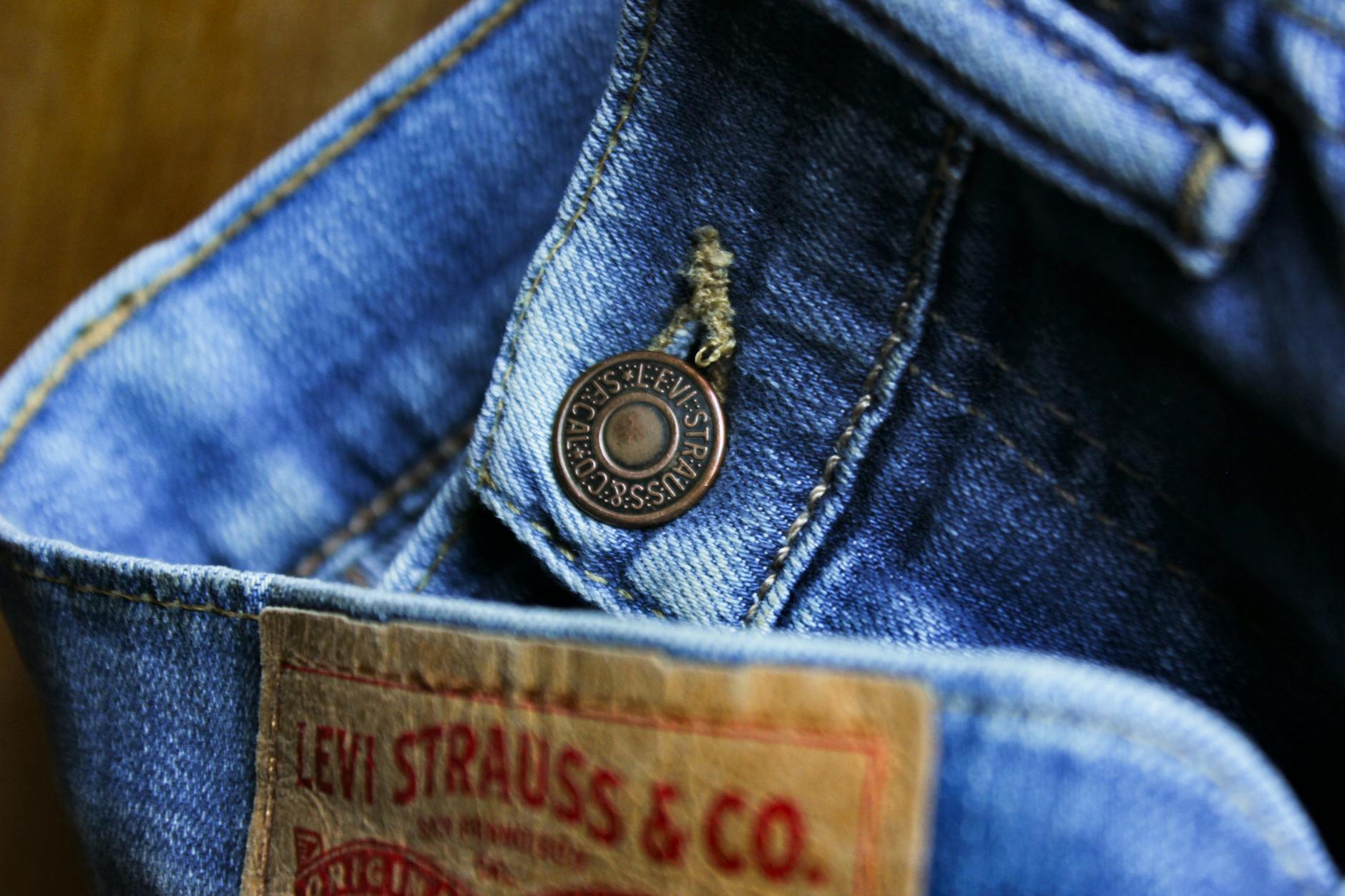
Rivets, Ruin, and the Gold Rush Gamble That Gave America Its Favorite Pants

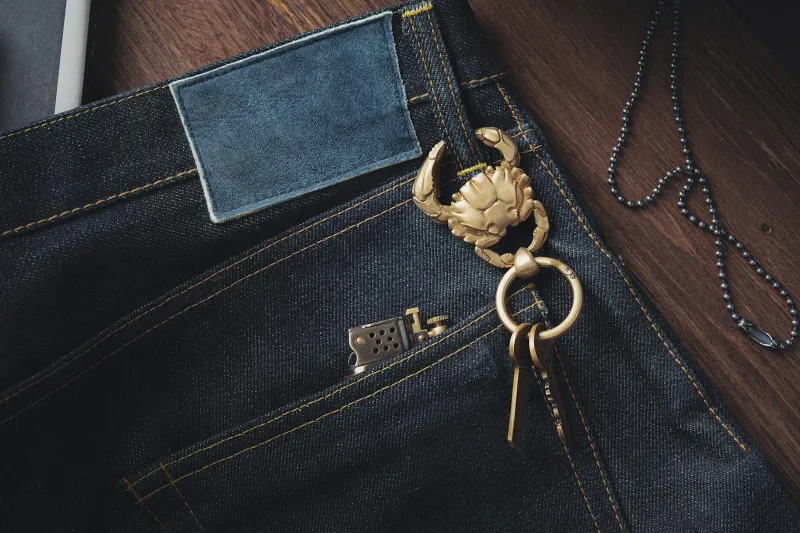
Before blue jeans were a fashion statement, they were a survival tool. The story of how a Bavarian immigrant and a Nevada tailor accidentally stitched together America's most democratic garment is wilder than anything you'd find on a runway.

Rivets, Canvas, and a Desperate Letter: The Accidental Birth of America's Favorite Pants
Culture

Rivets, Canvas, and a Desperate Letter: The Accidental Birth of America's Favorite Pants

Nobody sat down in 1873 with a plan to dress the entire country. Levi Strauss was running a dry goods business, Jacob Davis was trying to keep a miner's pants from falling apart, and together — almost by accident — they created the most democratic garment in American history. Here's how a gold rush gamble turned into the uniform of presidents, rebels, and teenagers for the next 150 years.

That Tiny Pocket in Your Jeans Has a Secret Life — And It's Older Than You Think
Culture

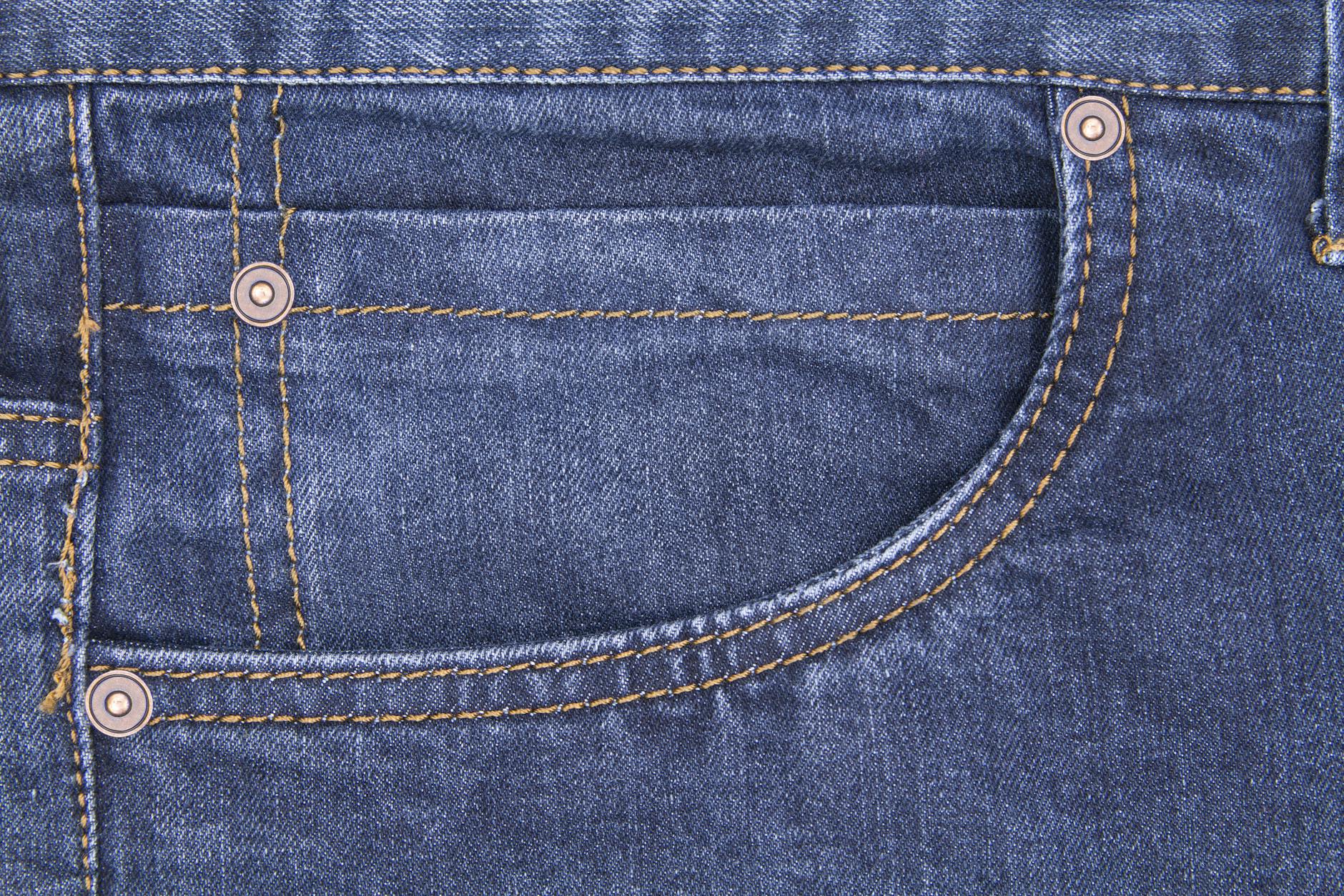
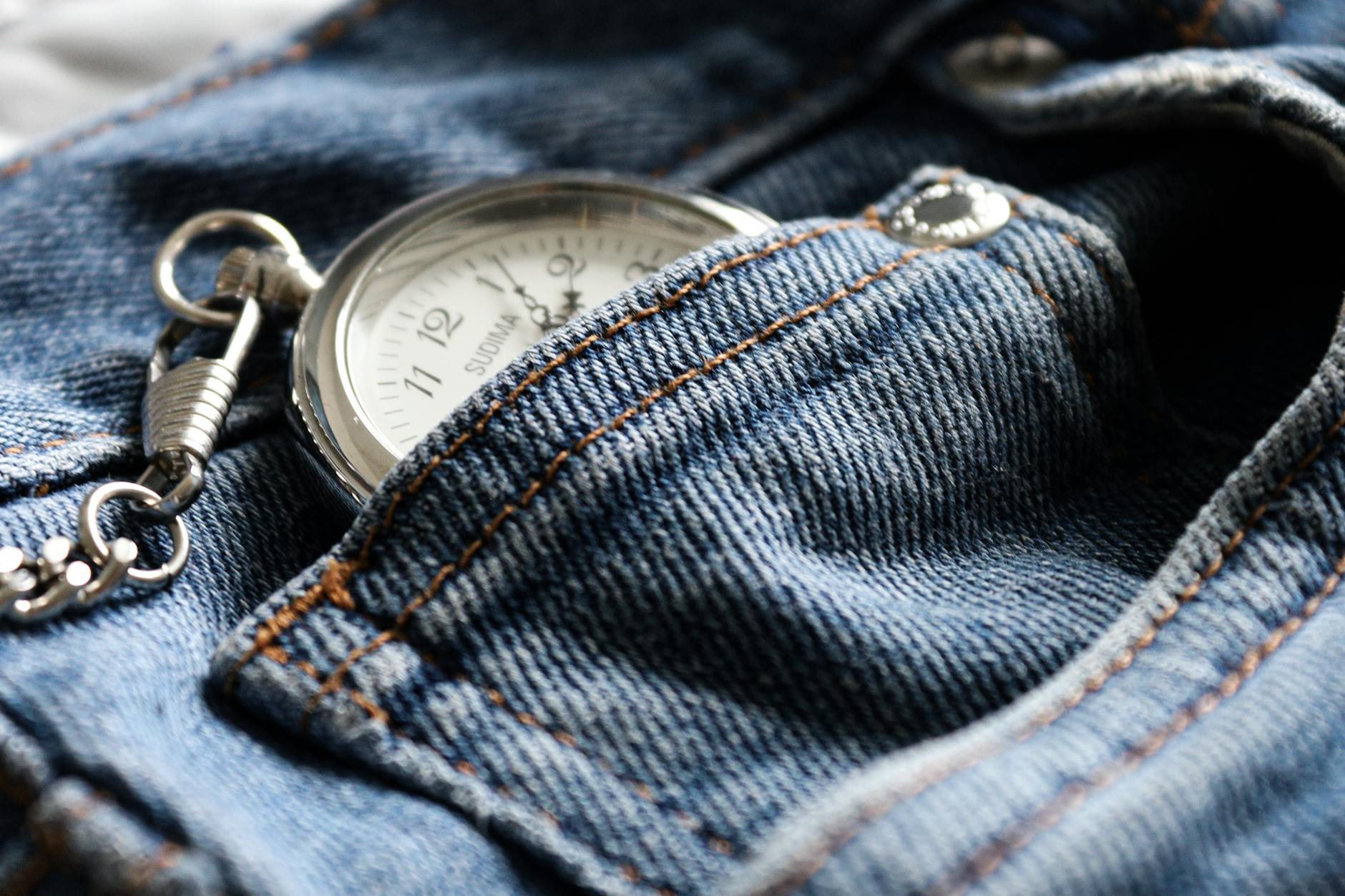
That Tiny Pocket in Your Jeans Has a Secret Life — And It's Older Than You Think

Almost everyone who has ever worn a pair of jeans has noticed that strange little pocket-within-a-pocket stitched just inside the right front. It's too small for a phone, barely fits a quarter, and somehow still shows up in virtually every pair of denim pants manufactured today. The story of why it exists is a quiet lesson in how fashion carries old habits long after the reason for them has completely disappeared.