The 5 AM Phone Call Crisis That Accidentally Taught America to Expect Free Coffee Everywhere
The Problem That Kept Hotel Managers Awake
Picture this: It's 1973, and you're the night manager at a Holiday Inn somewhere in middle America. The phone rings at 5:17 AM. Then 5:23 AM. Then 5:31 AM. Every call is the same—business travelers wanting coffee before their early flights, long before the restaurant opens at 7 AM.
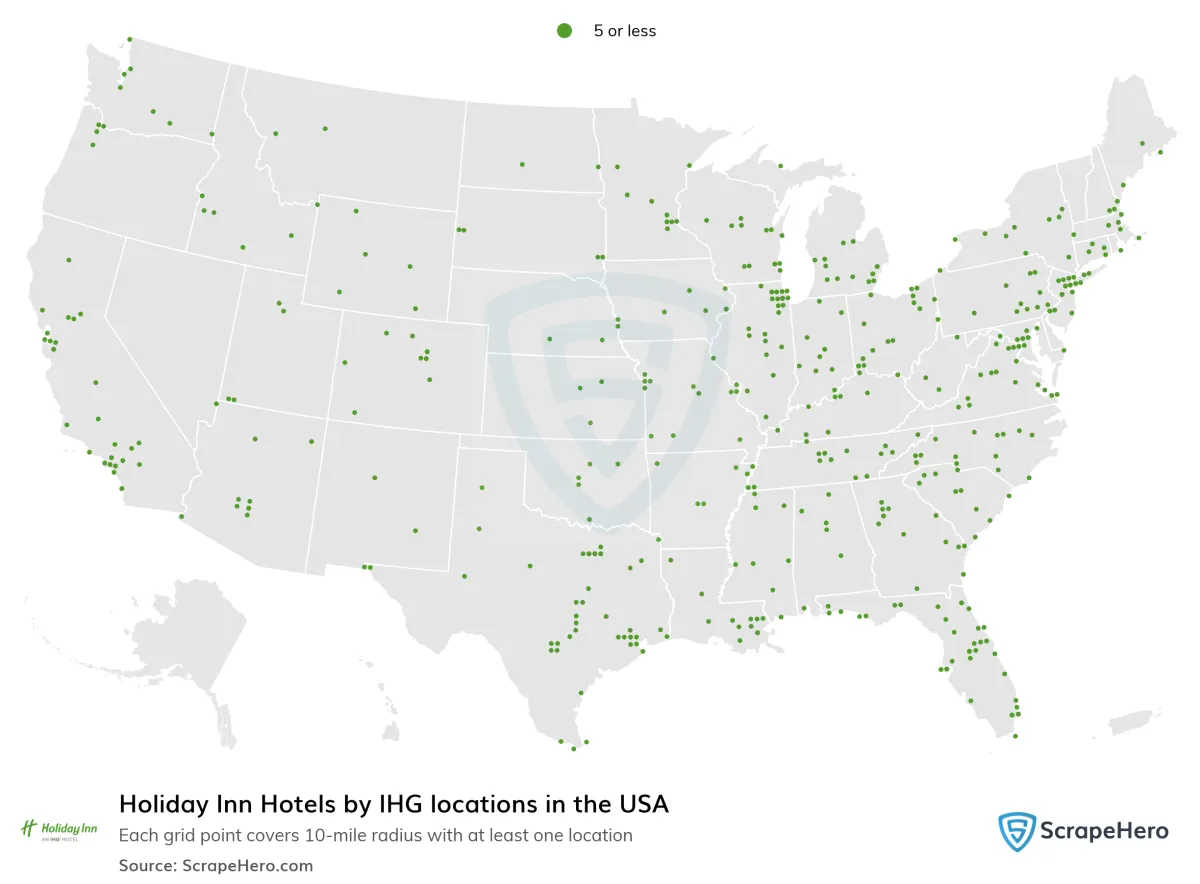 Photo: Holiday Inn, via www.scrapehero.com
This wasn't just happening at one hotel. Across America, the hospitality industry was drowning in pre-dawn coffee requests. Front desk clerks were spending their nights brewing individual pots, room service was overwhelmed, and hotel managers were desperately searching for a solution to what industry insiders called "the morning coffee crisis."
Enter the Salesman With a Radical Idea
John Sylvan (no relation to the later Keurig founder) was a commercial coffee equipment salesman who'd been watching this crisis unfold from the sidelines. His clients—office buildings and factories—had long ago solved their coffee access problems with self-serve stations. Why couldn't hotels do the same?
 Photo: John Sylvan, via guangcaiauto.com
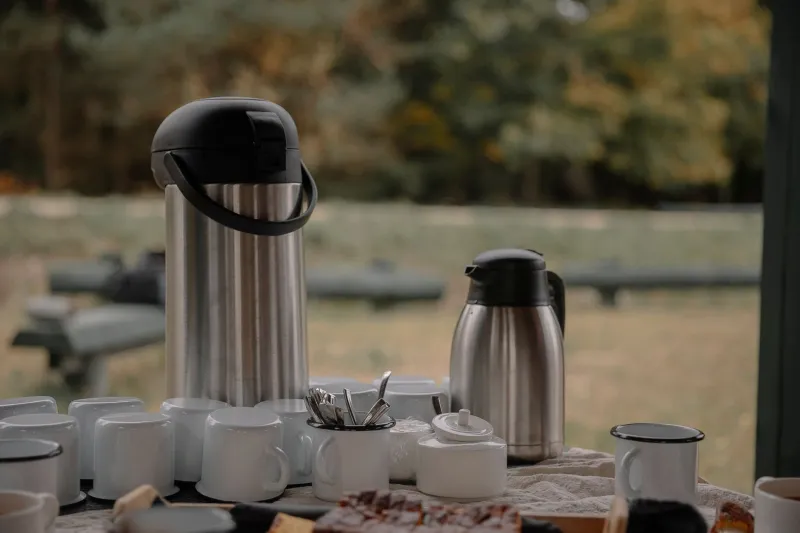
Sylvan's pitch was revolutionary for its time: install large-capacity drip coffee makers in hotel lobbies, keep them running 24/7, and let guests serve themselves. No staff required, no phone calls, no individual brewing.
Hotel executives were skeptical. Wouldn't guests expect freshly made coffee? What about quality control? Who would clean up the inevitable spills?
Holiday Inn Takes the Leap
Holiday Inn's corporate leadership was desperate enough to try anything. They agreed to test Sylvan's self-serve coffee stations in fifty locations across the Midwest. The results were immediate and dramatic—overnight phone calls dropped by 60%, and guest satisfaction scores actually improved.
More surprisingly, guests began lingering in lobbies, creating an unexpected social atmosphere. Business travelers who might have never spoken began chatting over morning coffee. The lobby transformed from a mere passthrough into a gathering space.
The Unexpected Psychology of "Always Available"
What Holiday Inn discovered changed everything they thought they knew about hospitality. Guests didn't just want coffee—they wanted the security of knowing coffee was always available. The psychological comfort of 24/7 access proved more valuable than perfect quality or personalized service.
This insight spread like wildfire through American business culture. If hotels could provide always-available coffee, why couldn't offices? Retail stores? Gas stations? The self-serve coffee station became the solution to a problem Americans didn't even know they had.
From Hospitality to Habit
By the early 1980s, free self-serve coffee had become so standard that its absence felt like poor service. Office workers expected it at their jobs. Shoppers expected it while car shopping. Even banks began offering coffee to customers waiting in line.
The habit became so deeply embedded in American culture that entire industries restructured around it. Office building leases began including "coffee service" as a standard amenity. Retail stores discovered that customers who drank free coffee stayed longer and bought more.
The Backlash That Proved the Point
The rise of specialty coffee in the 1990s initially seemed to reject everything the hotel lobby coffee station represented. Starbucks and other "third wave" coffee shops emphasized quality, customization, and the ritual of ordering—everything that self-serve coffee wasn't.
But even the coffee revolution couldn't escape the psychological framework that Holiday Inn had accidentally created. Starbucks locations still needed to feel "always available." Premium coffee shops still had to compete with Americans' expectation that coffee should be accessible, affordable, and fast.
The Digital Age Doubles Down
Today's coffee culture—from office Keurigs to app-based ordering—is still built on the foundation that Holiday Inn laid in 1973. The expectation of always-available coffee has only intensified in our 24/7 economy.
Even high-end coffee shops now offer mobile ordering and pickup stations that essentially recreate the hotel lobby experience: walk in, grab your pre-made coffee, walk out. No waiting, no interaction required, always available.
The Lasting Revolution
What started as a solution to annoying phone calls became nothing less than a rewiring of American social expectations. The idea that coffee should be free, available, and self-serve spread from hotel lobbies to every corner of American life.
Today, when you grab free coffee at a car dealership, a bank, or your office, you're participating in a cultural shift that began with frustrated hotel managers and one salesman's simple idea. The 5 AM phone call crisis didn't just get solved—it accidentally taught an entire nation that good service means never having to ask for coffee.
Sometimes the most profound cultural changes start with the most mundane problems. In this case, a few early-rising business travelers complaining about coffee access accidentally created expectations that still shape American hospitality, workplace culture, and our relationship with coffee itself.