When America's Morning Meal Went From Steak to Sugar Bombs
The Meat and Potatoes Morning
In 1850, a typical American breakfast would shock modern nutritionists and delight carnivores. Working families started their day with fried pork, beef steaks, eggs, fried potatoes, bread with butter, and coffee strong enough to wake the dead. This wasn't gluttony—it was survival fuel for people who would spend the next twelve hours doing physical labor that would exhaust a modern gym enthusiast.
Farmers needed 4,000 calories a day to handle their workload, and breakfast provided a substantial portion of that energy. The morning meal was designed around one principle: fill up while you can, because the next opportunity might be hours away. Sweet foods were rare treats reserved for special occasions, not daily sustenance.
Urban workers followed similar patterns. Factory workers, dock laborers, and tradesmen all expected substantial morning meals. Boarding houses competed on the size and variety of their breakfast offerings, with some serving up to eight different meat options alongside eggs, griddle cakes, and vegetables.
The Railroad Revolution Changes Everything
The expansion of America's railroad network in the 1870s and 1880s accidentally began the transformation of breakfast. Suddenly, fresh produce could travel from California to New York, but shipping perishable foods required careful timing and standardized schedules. Railroad companies needed meals that traveled well and could be prepared quickly at depot restaurants.
Heavy, greasy breakfasts posed logistical nightmares. Meat spoiled quickly without refrigeration, required skilled cooks to prepare properly, and left passengers feeling sluggish during long train rides. Railroad food service managers began experimenting with lighter alternatives that were easier to transport and serve.
This shift coincided with America's growing obsession with efficiency and scientific management. The same industrial thinking that revolutionized factories began influencing how people thought about food. If breakfast could be standardized, simplified, and made more efficient, why shouldn't it be?
The Sanitarium Doctor's Crusade
Dr. John Harvey Kellogg, running the Battle Creek Sanitarium in Michigan, became America's most influential breakfast revolutionary—though revolution wasn't exactly his intention. Kellogg believed that spicy, rich foods inflamed both the body and moral character. His patients, who came seeking cures for various ailments, were fed bland, grain-based meals designed to calm their systems.
 Photo: Battle Creek Sanitarium, via www.jumping-clarance-gendron.com
Kellogg's breakfast philosophy merged medical theory with religious conviction. As a Seventh-day Adventist, he viewed heavy, meat-centered meals as spiritually corrupting. His sanitarium served experimental grain cereals, nut-based proteins, and fruit—foods that were supposed to promote both physical health and moral purity.
The sanitarium's wealthy patients—including Henry Ford, J.H. Kellogg, and other industrial titans—experienced these light breakfasts during their stays and took the ideas home. Suddenly, America's business elite were eating grain cereals not out of necessity, but as a mark of sophistication and health consciousness.
The Accidental Invention That Changed Mornings
In 1894, the Kellogg brothers accidentally left a batch of cooked wheat sitting out overnight. When they tried to salvage it by rolling the stale grain, it formed flakes instead of a solid sheet. Rather than throwing it away, they toasted the flakes and discovered they had created something entirely new—a grain product that was crispy, shelf-stable, and unlike anything Americans had eaten before.
This happy accident solved multiple problems simultaneously. The flaked cereal could be mass-produced, shipped anywhere without spoiling, and required no cooking skills to prepare. It was the perfect food for America's increasingly urban, time-pressed population.
What started as a health food experiment quickly became a commercial opportunity. W.K. Kellogg, John's younger brother, recognized the business potential and began marketing corn flakes to the general public. The timing was perfect—America was ready for a breakfast revolution.
Marketing Creates a New Morning Ritual
The transformation from health food to mainstream breakfast required sophisticated marketing that redefined what Americans expected from their morning meal. Early cereal advertisements didn't just sell products—they sold a completely new relationship with breakfast.
Cereal companies positioned their products as modern, scientific, and efficient. Print ads featured doctors endorsing grain cereals for better digestion, energy, and overall health. The heavy breakfasts of previous generations were reframed as old-fashioned and unhealthy, while light, grain-based meals represented progress and enlightenment.
By the 1920s, cereal marketing had become increasingly sophisticated. Companies sponsored radio programs, created cartoon mascots, and developed elaborate promotional campaigns. They weren't just selling breakfast—they were selling a lifestyle that promised health, convenience, and modernity.
The Sugar Revolution Completes the Transformation
World War II rationing temporarily slowed cereal consumption, but the postwar economic boom created the perfect conditions for breakfast's final transformation. Returning veterans had steady jobs, growing families, and disposable income. Food manufacturers, flush with wartime profits and advanced production techniques, were ready to meet demand.
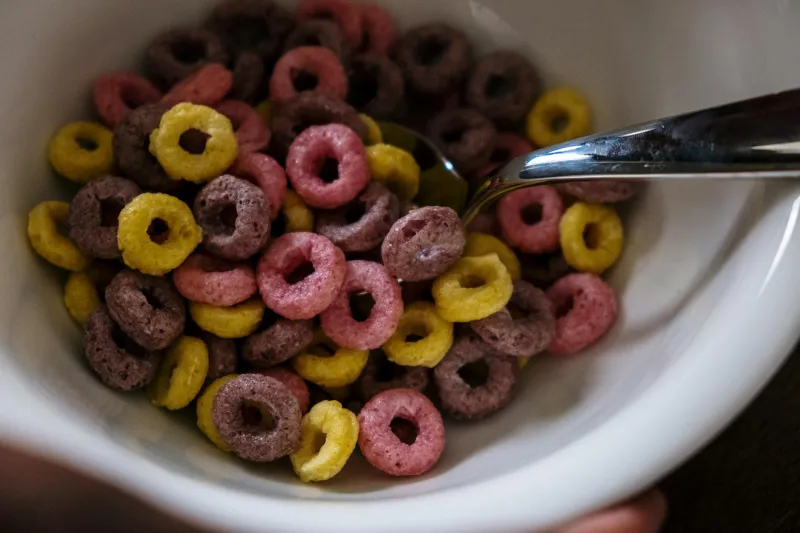
The introduction of sugar-coated cereals in the 1950s completed breakfast's journey from sustenance to entertainment. Products like Sugar Crisp, Cocoa Puffs, and Frosted Flakes weren't marketed as health foods—they were positioned as treats that happened to be acceptable for breakfast.
Television advertising allowed cereal companies to market directly to children, creating demand that parents found difficult to resist. Saturday morning cartoons became cereal commercials punctuated by brief entertainment segments. Children who had never experienced the hearty breakfasts of previous generations grew up believing that morning meals should be sweet, colorful, and fun.
The Sweet Victory
By 1970, the transformation was complete. The average American breakfast contained more sugar than many desserts from a century earlier. Cereal aisles stretched for dozens of feet in supermarkets, offering hundreds of variations on the theme of sweetened grain products. The morning meal that had once sustained farmers through daylong labor now consisted primarily of processed carbohydrates and added sugars.
This wasn't the result of a single decision or conspiracy—it was the accumulated effect of transportation logistics, religious health movements, industrial efficiency, and brilliant marketing. Each step in breakfast's evolution seemed logical at the time, but the cumulative effect was a complete reversal of how Americans thought about morning nutrition.
Today, as Americans grapple with obesity, diabetes, and other diet-related health issues, some are rediscovering the protein-heavy breakfasts their great-grandparents took for granted. But for most people, breakfast still means choosing between dozens of sweetened options that would have baffled a 19th-century farmer. The morning meal that once prepared Americans for physical labor now prepares them mainly for a sugar crash by mid-morning.