From Church Wafer to Sunday Stack: The Accidental Journey of the Waffle Iron

Photo: Dmitry G, CC BY-SA 3.0, via Wikimedia Commons
Most Americans have a waffle iron somewhere in their kitchen. It might be buried under a panini press and a rice cooker, but it's there. Pull it out on a Sunday morning, pour in some batter, and within minutes you've got something that feels quintessentially American — crispy, golden, built for syrup. What almost nobody knows is that the device making those waffles traces its lineage directly back to medieval Europe, a Catholic communion ritual, and one very lucky afternoon at a New York World's Fair.
It Started With a Priest, Not a Chef
Long before anyone thought about breakfast food, European monks in the Middle Ages were pressing thin, unleavened wafers between iron plates for use during Mass. These communion irons — called oublies in French — were hinged metal molds, often engraved with religious imagery, held over an open flame by long handles. The wafers they produced were flat, crisp, and entirely sacred in purpose.
Somewhere along the way — historians aren't entirely sure when — someone noticed that if you added a little fat and some egg to that batter, and if the iron plates had a grid pattern rather than a smooth surface, you got something considerably more interesting. The honeycomb texture trapped steam, created a crunchier exterior, and made the whole thing taste better. By the 13th century, street vendors in France and the Low Countries were selling these gridded cakes outside churches after services. They weren't called waffles yet, but the shape was already there.
The word "waffle" itself likely comes from the Dutch wafel, which derives from a Germanic root meaning "honeycomb" or "woven." By the 1600s, waffles were a documented part of everyday life across the Netherlands and Belgium, eaten sweet with sugar and butter or savory alongside stews. Thomas Jefferson supposedly brought a waffle iron back from France in the late 1700s, and for a while, waffle parties were fashionable in early American society. But they never quite stuck as a mainstream daily habit. Waffles remained a novelty — something people made occasionally, not something they expected to eat every weekend.
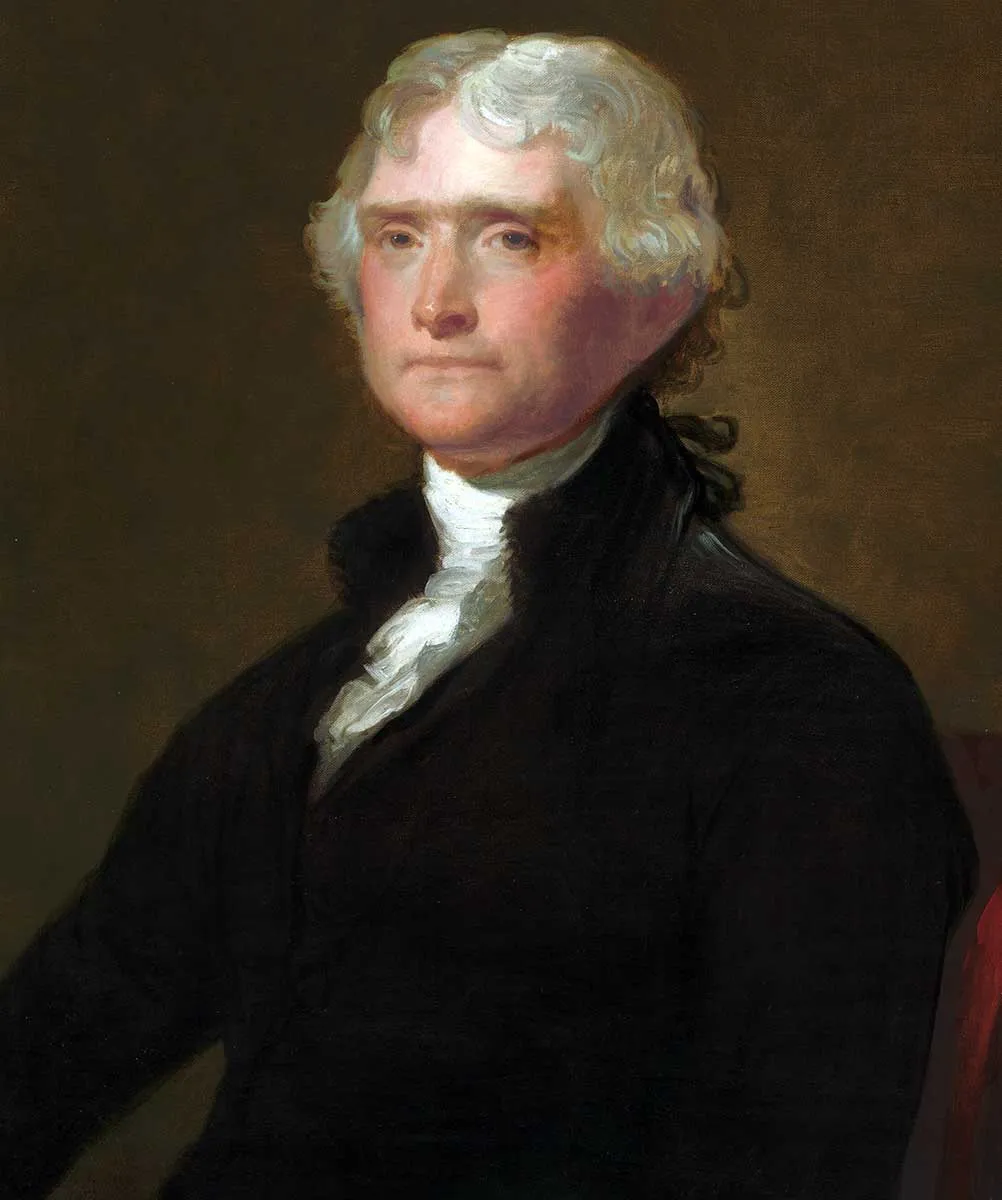 Photo: Thomas Jefferson, via cdn.thecollector.com
The Fair That Changed Everything
For nearly two centuries, waffles sat at the edges of American food culture. Then came the 1964 New York World's Fair in Flushing Meadows, Queens.
 Photo: Flushing Meadows, Queens, via c8.alamy.com
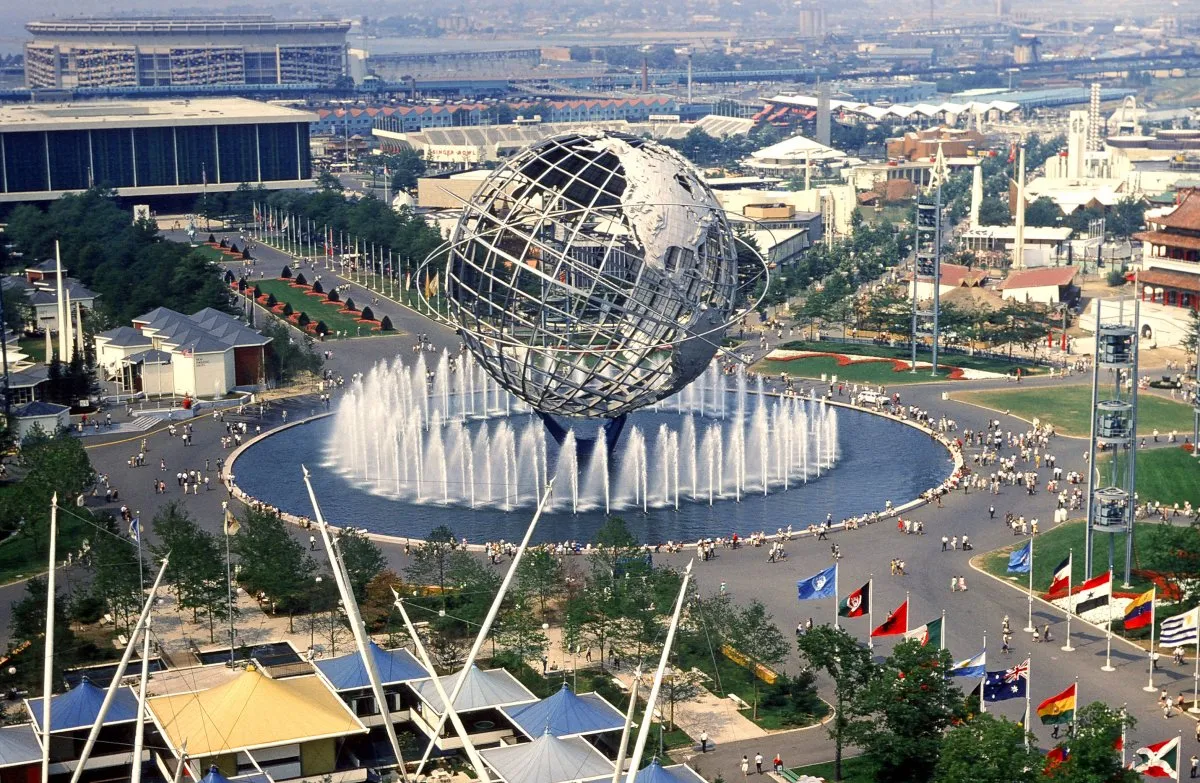 Photo: 1964 New York World's Fair, via cdn.calendarz.com
A Belgian restaurateur named Maurice Vermersch set up a stand at the fair selling what he called "Brussels waffles" — a lighter, crispier version made with a yeast-leavened batter and topped with whipped cream and strawberries. They were rectangular, deep-pocketed, and nothing like the thin, dense waffles Americans occasionally encountered. Vermersch had actually introduced a version of the recipe at a 1958 World's Fair in Brussels, but the American market hadn't seen anything like it.
The crowds went wild. Vermersch — who had initially named the item after his home city but quickly rebranded it as the "Belgian waffle" when he realized most Americans couldn't locate Brussels on a map — sold thousands of them over the course of the fair. People lined up. They came back. They told their friends.
Here's where the accidental part comes in: Vermersch wasn't trying to launch an American food movement. He was running a fair booth. He had no manufacturing ambitions, no licensing deal, no master plan. He was just a guy selling a snack. But what he accidentally demonstrated was that Americans didn't just want to eat waffles at a fair — they wanted to make them at home.
The Manufacturing Boom Nobody Planned For
Within a few years of the 1964 fair, American appliance manufacturers were paying close attention. The demand signal was impossible to ignore. Companies like General Electric and Sunbeam, which had been making basic waffle irons for decades with modest sales, suddenly found themselves fielding increased interest from consumers who'd tasted something at a World's Fair and wanted to replicate it in their own kitchens.
The Belgian waffle's deeper pockets required a different iron — one with taller grid ridges than the standard American model. That engineering tweak became a product category. By the early 1970s, dedicated Belgian waffle makers were appearing in department store catalogs, advertised as weekend luxury items. The pitch wasn't just "make waffles." It was "make restaurant-quality waffles at home, for your family, on a Saturday morning."
That framing mattered. The waffle iron stopped being a novelty appliance and became a symbol of the leisurely American weekend breakfast — a meal category that was itself expanding during the same era as brunch culture began taking hold in urban areas.
Why It Still Shows Up on Your Counter
Today, the waffle iron is a fixture of American domestic life in a way that would have seemed improbable before 1964. Waffle House alone has over 1,900 locations across the country, serving waffles around the clock. Frozen waffle brands like Eggo became household staples. And the home appliance market for waffle makers generates hundreds of millions of dollars annually, with models ranging from basic $20 versions to $200 Belgian-style machines with digital temperature controls.
None of that was planned. A medieval monk pressing communion wafers wasn't thinking about Sunday brunch. A Belgian vendor at a World's Fair wasn't trying to reshape American appliance manufacturing. And yet here we are — a country where the weekend doesn't quite feel right without something golden and grid-marked on the plate.
The waffle iron is, in the most literal sense, a religious artifact that became a breakfast ritual. It just took about 700 years and one very good World's Fair to complete the transformation.