The Great Color Flip: How America Accidentally Decided Pink Was for Girls
When Blue Was the Girl Color
If you walked into an American nursery in 1920, you'd find something that would seem completely backwards today: baby girls dressed in blue, baby boys in pink. The color coding that now drives billions in gendered marketing was not only different a century ago—it was the exact opposite of today's system.
The shift from one arbitrary assignment to another reveals how many "natural" traditions are actually recent commercial inventions, created not by cultural evolution but by department store buyers and advertising executives looking to move inventory.
The Original Logic
Early 20th-century parenting magazines were quite specific about proper color choices for children. A 1918 article in Ladies' Home Journal explained the reasoning: "The generally accepted rule is pink for the boys, and blue for the girls. The reason is that pink, being a more decided and stronger color, is more suitable for the boy, while blue, which is more delicate and dainty, is prettier for the girl."
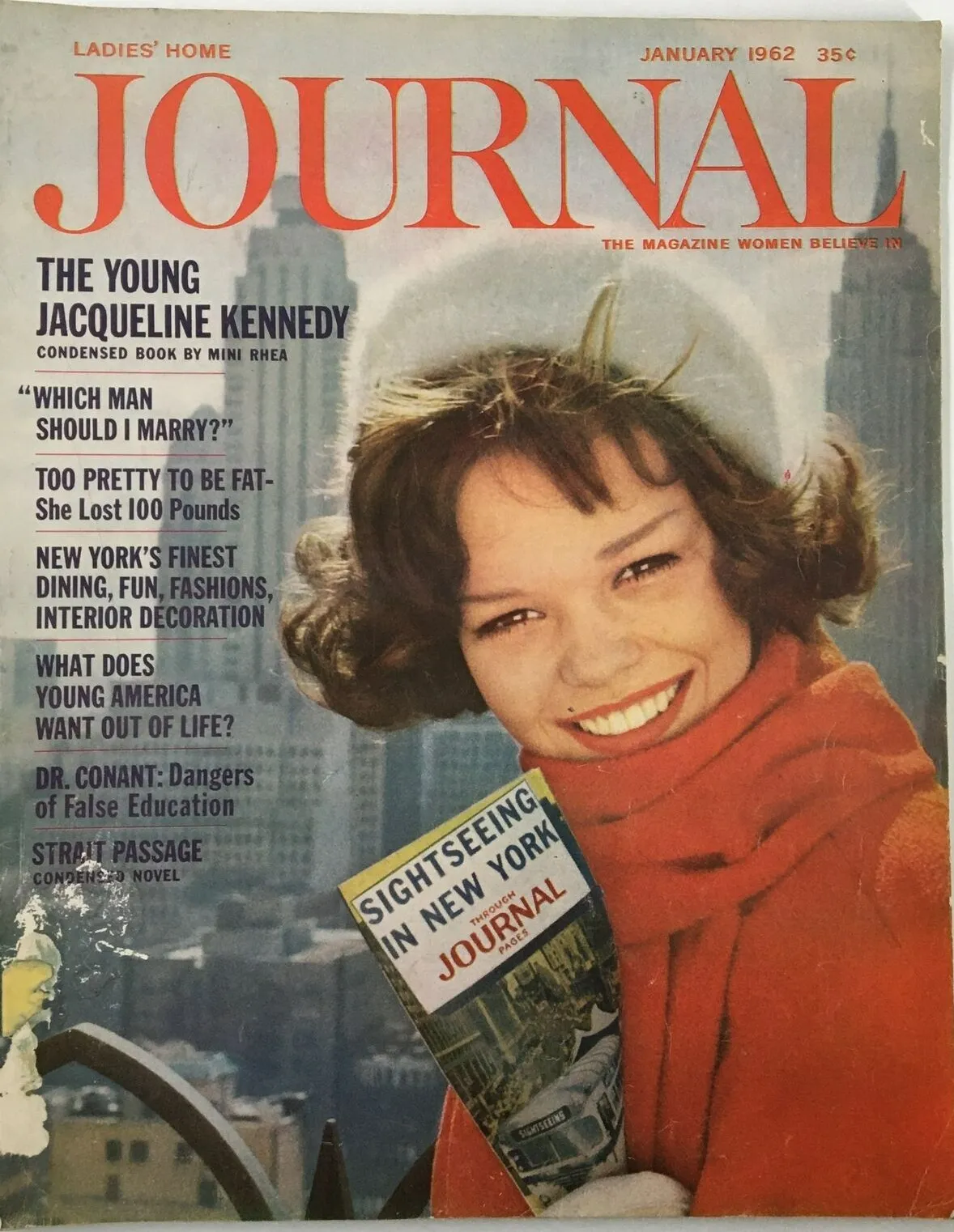 Photo: Ladies' Home Journal, via wonderclub.com
This wasn't a casual suggestion—it was presented as established fact, backed by the era's understanding of color psychology. Pink was considered a diluted version of bold, masculine red, while blue was seen as delicate and feminine. Department stores organized their children's sections accordingly, and manufacturers produced clothing lines that followed these guidelines.
The system wasn't perfect, though. Many families simply dressed all children in white or neutral colors until age four or five, when they transitioned to adult-style clothing. The pink-versus-blue debate was mostly relevant for families wealthy enough to buy specialized children's clothing.
The War Changes Everything
World War II disrupted American manufacturing in unexpected ways, including the production of clothing dyes. Certain chemical compounds became scarce, while others were produced in surplus as byproducts of military manufacturing. When peacetime production resumed, dye companies found themselves with massive inventories of specific colors that needed to be moved.
Simultaneously, the postwar baby boom created an enormous market for children's clothing. Manufacturers faced a choice: continue the traditional pink-for-boys system, or create something new that might boost sales. The decision was influenced less by cultural wisdom than by practical inventory management.
Rosalind Barnett, a researcher who studied postwar marketing materials, found that the color flip happened gradually between 1945 and 1955, driven primarily by department store buyers who wanted to differentiate their children's sections from competitors.
The Department Store Revolution
The real catalyst for change came from an unexpected source: Saks Fifth Avenue's children's department. In 1947, the store's buyer, Margaret Walsh, made a radical decision to reverse the traditional color assignments for their spring collection. Her reasoning was purely commercial—she wanted to create a distinct "Saks look" that would encourage brand loyalty among young mothers.
 Photo: Saks Fifth Avenue, via photos.wikimapia.org
The experiment was so successful that other high-end retailers quickly copied the approach. Within three years, most major department stores had adopted the new pink-for-girls standard, not because of any deep cultural shift, but because it was working in the marketplace.
The change accelerated when manufacturers realized they could increase sales by making color coordination more rigid. Instead of producing mostly neutral children's clothing with occasional color accents, companies began creating entire product lines that were unmistakably gendered from birth.
Madison Avenue Takes Over
The advertising industry of the 1950s seized on the color divide as a powerful marketing tool. Agencies discovered they could sell more products by making gender differentiation seem natural and inevitable rather than arbitrary and commercial.
 Photo: Madison Avenue, via www.thetimes.com
Toy companies were among the first to fully embrace the system. Advertisements began showing girls playing with pink toys in pink rooms, while boys were surrounded by blue alternatives. The color coding expanded beyond clothing into bedding, furniture, and eventually, every aspect of children's consumer goods.
By 1955, the pink-for-girls rule was so established that many Americans couldn't remember it had ever been different. Magazine articles from the period treated the color assignments as timeless tradition, with no mention of their recent invention.
The Billion-Dollar Accident
What began as a department store experiment had become a massive economic force. Today, gender-specific color coding drives entire industries, from children's clothing to home goods to automotive accessories. The pink-and-blue divide creates what economists call "artificial scarcity"—the sense that products designed for one gender cannot be used by the other.
This system generates enormous profits through what marketers call "double inventory." Families with children of different genders often buy separate items that are functionally identical but color-coded differently. A pink bicycle and a blue bicycle serve the same purpose, but the color difference makes them seem like distinct necessities.
The Persistence of Accident
The most remarkable aspect of the great color flip is how quickly Americans forgot it had happened. Within a single generation, a completely arbitrary commercial decision became so deeply embedded in culture that questioning it seemed almost unnatural.
This pattern repeats throughout consumer history: practical business decisions get repackaged as eternal truths, and artificial distinctions become "the way things have always been." The pink-and-blue divide serves as a perfect example of how commercial convenience can masquerade as cultural wisdom.
Beyond the Nursery
The next time you see a pink toy aisle or a blue baby outfit, remember that you're looking at the result of postwar inventory management, not ancient gender wisdom. The color coding that now seems so natural was invented by people trying to solve very practical business problems—moving surplus dye, differentiating retail displays, and ultimately, selling more stuff to American families.
The great color flip proves that many of our most "obvious" cultural rules are actually recent accidents, created by commercial forces and maintained by collective forgetting. Pink wasn't always for girls, and blue wasn't always for boys—until someone decided they should be, and everyone forgot there had ever been an alternative.