From Pushcart to Prom Night: The Immigrant Hustle That Built America's Rental Empire
The Neighborhood Necessity
In the crowded tenements of early 1900s New York, Chicago, and Philadelphia, owning a proper suit was a luxury most immigrant families couldn't afford. Yet American society demanded formal attire for life's crucial moments—job interviews, weddings, funerals, and citizenship ceremonies. This economic reality created an underground network of neighborhood tailors who quietly solved an impossible problem: how to look prosperous when you weren't.
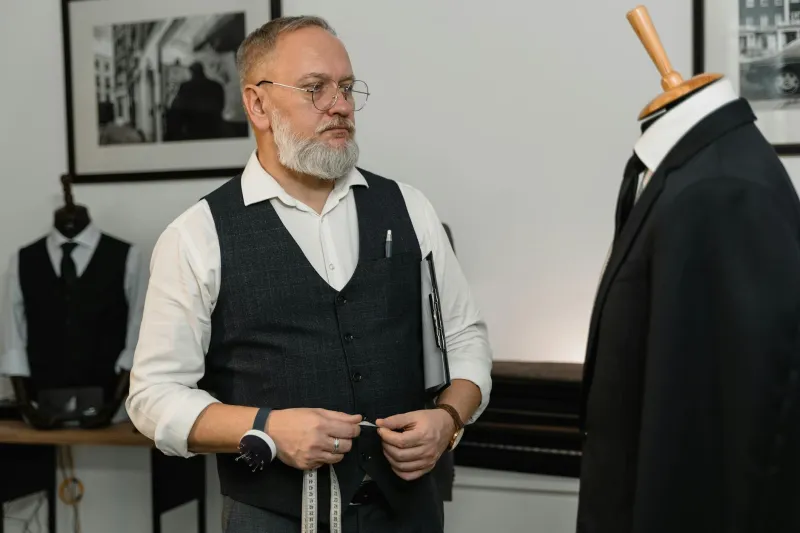
The solution was elegantly simple. Local tailors, many of them recent immigrants themselves, began maintaining small collections of well-made suits that could be borrowed for special occasions. A customer might rent a wool suit for a wedding on Saturday and return it Monday morning, allowing the same garment to serve multiple families throughout a single week.
This wasn't a formal business model—it was survival economics. Tailors charged modest fees that covered cleaning and basic alterations, creating a system that helped entire communities maintain dignity during their most important moments.
The Pushcart Entrepreneurs
Most of these early rental operations were family affairs, run from cramped shop fronts or even pushcarts that moved through immigrant neighborhoods. Morris Goldstein, who operated a suit rental business from his Lower East Side shop in 1908, kept detailed records that survived in his family's papers. His customer list included dock workers preparing for citizenship ceremonies, young men attending their first job interviews, and fathers walking daughters down wedding aisles.
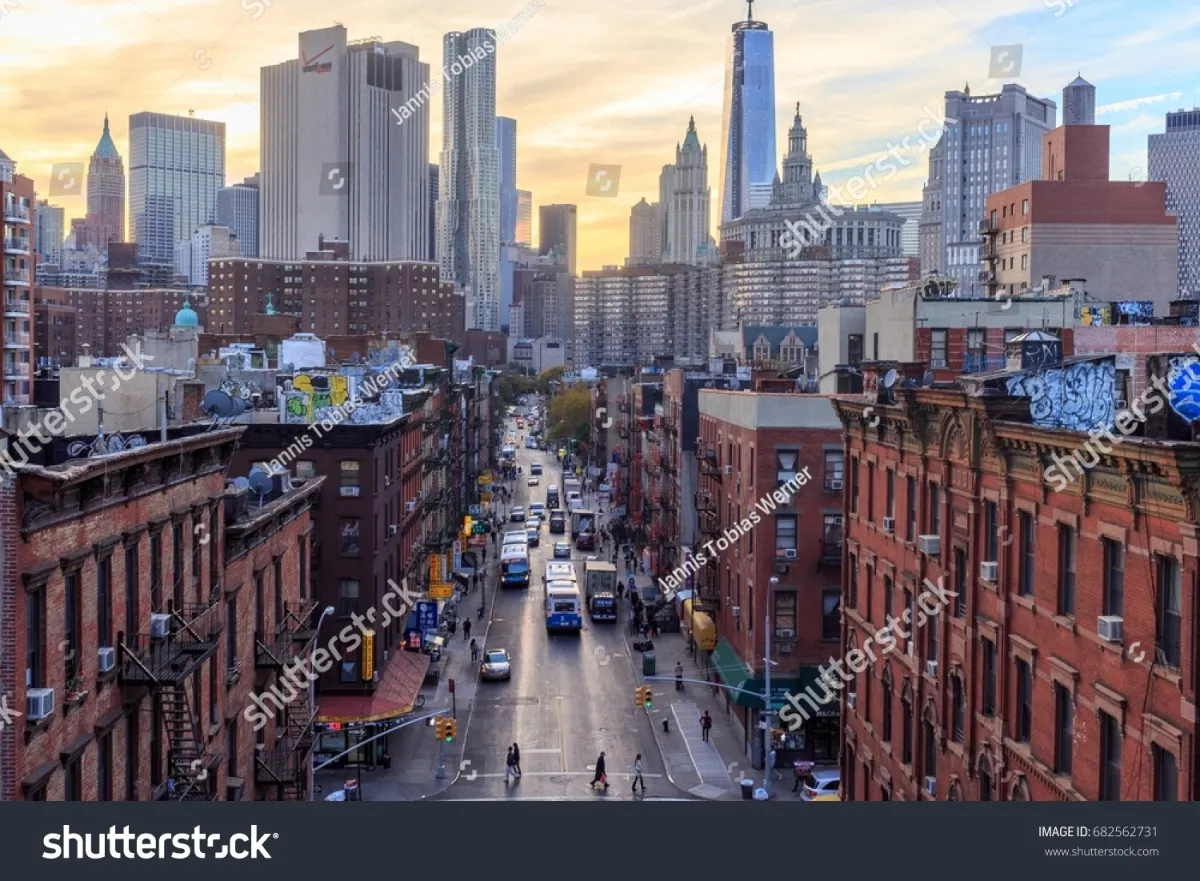 Photo: Lower East Side, via www.shutterstock.com
Goldstein's records reveal the intimate nature of early rental relationships. He knew his customers' measurements by heart, understood their financial situations, and often extended credit during particularly difficult periods. The suits themselves were carefully maintained, with minor repairs and alterations performed between rentals to keep garments looking fresh.
The system worked because it served a genuine need in communities where buying new formal wear simply wasn't economically feasible. A quality suit might cost two months' wages for a factory worker, but renting the same garment for a weekend was affordable for almost anyone.
The Accident of Expansion
The transformation from neighborhood necessity to mainstream business happened gradually, driven by changing American demographics and economic patterns. As immigrant families achieved greater financial stability, they didn't abandon the rental system—they began using it for different reasons.
Second-generation Americans, more assimilated but still cost-conscious, discovered that renting formal wear made sense even when they could afford to buy. Why own a tuxedo that might be worn twice a year when high-quality rentals were readily available? The economic logic that had driven the immigrant rental system appealed to a much broader customer base.
World War II accelerated this shift in unexpected ways. Fabric rationing made new formal wear expensive and difficult to obtain, while military service exposed millions of American men to the concept of standardized, temporary clothing assignments. Veterans returning from war were already comfortable with the idea of wearing formal attire that they didn't own.
The Suburban Wedding Explosion
The postwar suburban boom created the perfect conditions for the rental industry's explosive growth. Middle-class families were moving to communities where elaborate weddings became important social events, but these same families were also investing heavily in homes, cars, and other consumer goods. Formal wear rentals offered a way to participate in social rituals without the expense of ownership.
The timing was particularly crucial for the wedding industry. As suburban celebrations became more elaborate, the number of men needing formal attire for a single event often exceeded what most families could reasonably purchase. Wedding parties with six or eight groomsmen created natural rental opportunities that quickly became standard practice.
By 1955, what had begun as an immigrant survival strategy had become an accepted part of middle-class American life. Rental shops were opening in shopping centers across the country, serving customers who chose renting over buying for convenience rather than necessity.
The Prom Revolution
The final transformation of the rental industry came from an unexpected source: American teenagers. The rise of elaborate high school proms in the 1960s created a massive new market for formal wear that would be worn exactly once. Unlike adult customers who might rent occasionally for weddings or special events, prom-goers represented a predictable annual demand.
Rental shops quickly adapted their business models to serve this teenage market. They developed new inventory systems, expanded their selection of styles and colors, and created marketing campaigns specifically targeted at high school students. The prom rental business became so profitable that many shops designed their entire annual schedules around this single event.
The irony was perfect: an industry born from immigrant poverty had found its most profitable market among middle-class teenagers celebrating American prosperity.
The Billion-Dollar Accident
Today's formal wear rental industry generates more than $3 billion annually, serving everyone from Fortune 500 executives to high school students. The companies that dominate this market—Men's Wearhouse, Jos. A. Bank, and others—trace their origins to the small neighborhood shops that served immigrant communities a century ago.
The business model remains essentially unchanged: maintain high-quality inventory, provide expert fitting services, and charge fees that make formal occasions accessible to customers who don't want to purchase expensive clothing they'll rarely wear. What began as economic necessity has become consumer preference.
The Hidden Foundation
The next time you see a wedding party in matching tuxedos or a teenager heading to prom in rented formal wear, remember the pushcart tailors who created this system out of pure necessity. Their solution to an immigrant community's economic challenge accidentally became one of America's most enduring business models.
The rental industry represents something uniquely American: the transformation of survival strategies into mainstream traditions. What began as a way for poor families to maintain dignity during important moments evolved into a billion-dollar industry that serves customers across all economic levels.
The immigrant tailors who started this system were just trying to help their neighbors look respectable for job interviews and citizenship ceremonies. They had no idea they were creating the foundation for prom night, wedding traditions, and an entire industry built on the simple idea that looking good shouldn't require owning everything you wear.
In transforming economic necessity into cultural tradition, the formal wear rental industry perfectly embodies the immigrant experience: taking what you need to survive and accidentally building something that becomes fundamentally American.