The Paper Crisis That Turned Feelings Into Big Business
When Paper Became Precious
In 1943, Joyce Hall faced a crisis that threatened to destroy everything he'd built. As the founder of Hallmark Cards, he'd spent decades convincing Americans that greeting cards were essential to proper social relationships. But now, with World War II paper rationing in full effect, the U.S. government was telling him he could only use a fraction of the paper he needed to keep his Kansas City factory running.
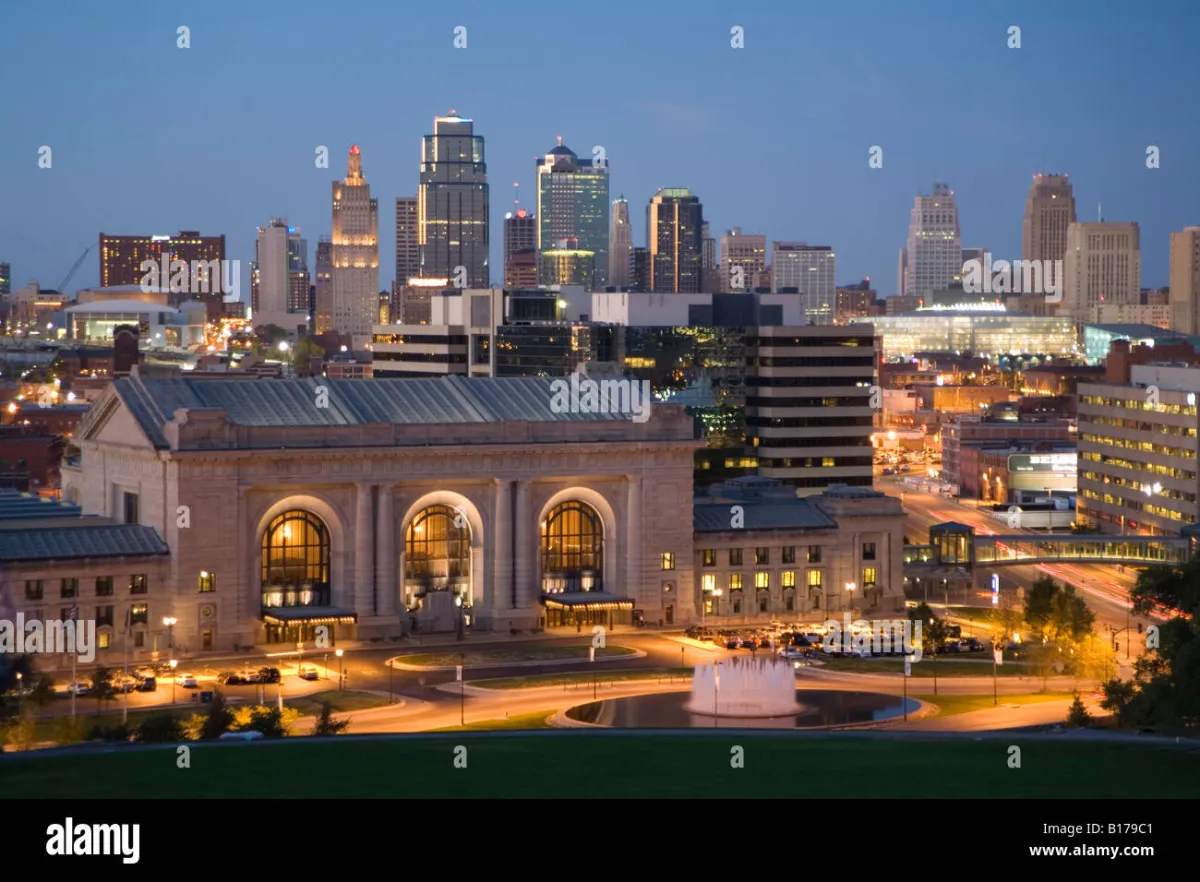 Photo: Kansas City, via c8.alamy.com
 Photo: Joyce Hall, via bundespolizei.de
The War Production Board's restrictions weren't just inconvenient—they were existential. Paper was being diverted to military maps, propaganda posters, and essential communications. Greeting cards, in the government's view, were a frivolous luxury that America could live without during wartime. Hall disagreed, and his response to this crisis would accidentally transform greeting cards from occasional niceties into mandatory emotional currency.
 Photo: War Production Board, via windows10spotlight.com
The Victorian Luxury Problem
Before the war, greeting cards occupied a strange position in American culture. They'd evolved from elaborate Victorian calling cards—hand-delivered tokens of social connection that only the wealthy could afford. Early 20th-century cards were still relatively expensive, often costing the equivalent of several dollars in today's money, and were primarily exchanged during major holidays like Christmas and Valentine's Day.
Most Americans viewed greeting cards as optional extras—nice to receive, but not necessary to give. If you wanted to express affection or mark an occasion, you wrote a letter, made a phone call, or simply said something in person. Cards were for people who wanted to be fancy, not for regular emotional communication.
This positioning made greeting cards vulnerable during the Depression, when families cut non-essential spending, and again during wartime rationing. Why waste precious paper on decorative messages when that same paper could be used for letters to soldiers overseas?
The Scarcity Strategy
Hall's response to paper rationing was counterintuitive: instead of reducing his product line, he made his remaining cards more emotionally essential. Working with a team of psychologists and marketing experts, Hallmark began researching what drove people to purchase greeting cards, and they discovered something powerful—guilt.
People didn't buy cards because they wanted to; they bought cards because they felt they had to. The most successful card purchases were driven by social obligation and fear of disappointing others. Hall realized that scarcity could actually increase this psychological pressure, not decrease it.
Hallmark's wartime advertising campaigns began emphasizing that greeting cards were more important during difficult times, not less. Ads featured taglines like "When you care enough to send the very best" and "Don't let distance diminish love." The company positioned cards not as luxuries, but as essential tools for maintaining relationships during a period when families were separated by military service.
The Emotional Manipulation Machine
The breakthrough came when Hallmark began creating cards specifically designed to address wartime anxieties. They developed entire product lines around military themes, separation anxiety, and maintaining connections across distances. More importantly, they began expanding beyond traditional holidays to create new "card-giving occasions."
Secretary's Day, Grandparents' Day, Boss's Day—many of these manufactured holidays were Hallmark innovations designed to create year-round card-purchasing obligations. The company discovered that Americans would reliably buy cards for almost any occasion if they could be convinced that failing to do so would hurt someone's feelings or mark them as thoughtless.
The genius was making the emotional manipulation feel natural. Hallmark's cards didn't feel like corporate products; they felt like expressions of genuine sentiment that happened to be professionally written and mass-produced. People began to believe that store-bought sentiment was more meaningful than personal expression because it required effort (shopping) and financial sacrifice (purchasing).
The Post-War Explosion
When paper rationing ended in 1945, Hallmark was perfectly positioned to capitalize on pent-up demand and newly established emotional purchasing habits. Americans had spent years being told that cards were essential for maintaining relationships, and now they had unlimited access to paper products again.
The company expanded aggressively, creating cards for increasingly specific situations: "Sorry I forgot your birthday," "Congratulations on your promotion," "Thinking of you during your divorce." They began segmenting the market by relationship type, age group, and emotional situation, creating the impression that there was a perfect card for every possible human interaction.
By the 1950s, the average American household was purchasing dozens of greeting cards per year, compared to just a few in the pre-war era. What had been an occasional luxury had become a regular household expense, like groceries or utilities.
The Digital Paradox
The rise of email, text messaging, and social media was supposed to kill the greeting card industry. Why buy a card when you could send an instant message for free? But instead of disappearing, greeting cards adapted by becoming even more emotionally manipulative.
Modern greeting cards emphasize their physical nature as proof of extra effort and genuine care. "In a digital world, handwritten messages matter more than ever," became a common marketing theme. The industry convinced consumers that electronic messages were easy and therefore less meaningful, while physical cards required planning, shopping, and postage—investments that demonstrated real affection.
The COVID-19 pandemic actually boosted greeting card sales as people looked for ways to maintain connections during isolation. Hallmark and its competitors successfully positioned cards as essential tools for emotional survival during difficult times—exactly the same strategy they'd used during World War II.
The Guilt That Keeps Giving
Today's greeting card industry generates over $7 billion annually in the United States alone, built on a foundation of manufactured emotional obligation that traces back to wartime paper shortages. Americans have been trained to believe that forgetting to send a card is a social failure, that store-bought sentiment is more meaningful than personal expression, and that love requires regular purchasing proof.
The wartime crisis that nearly destroyed the greeting card industry instead taught it how to make feelings into a reliable business model. Every time you feel guilty for forgetting someone's birthday or worry that a text message isn't "enough" for a special occasion, you're experiencing the psychological legacy of a 1940s paper shortage that accidentally rewired American emotional expectations.
What began as a desperate response to material scarcity became a permanent feature of American consumer culture—the idea that genuine relationships require regular retail participation, and that failing to purchase proof of your feelings makes you a bad person.